Teething
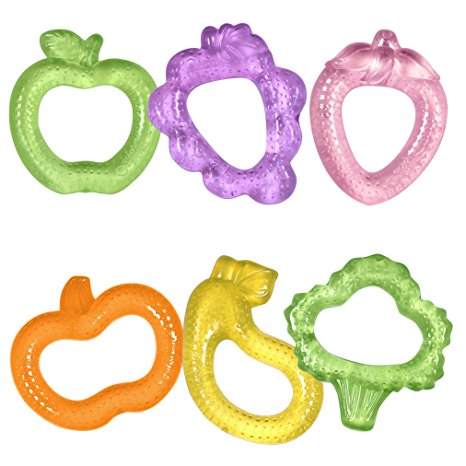
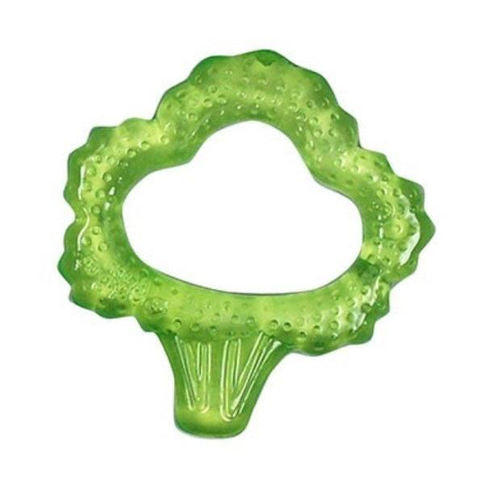
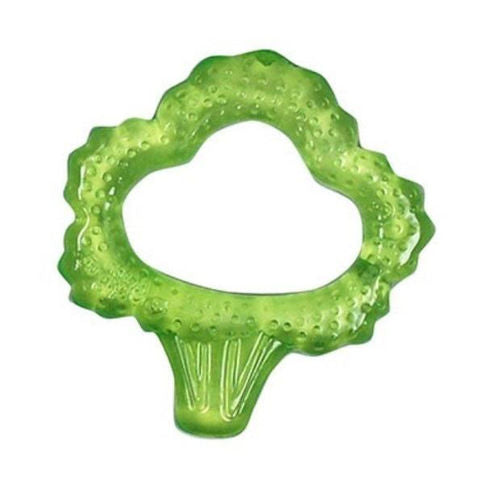
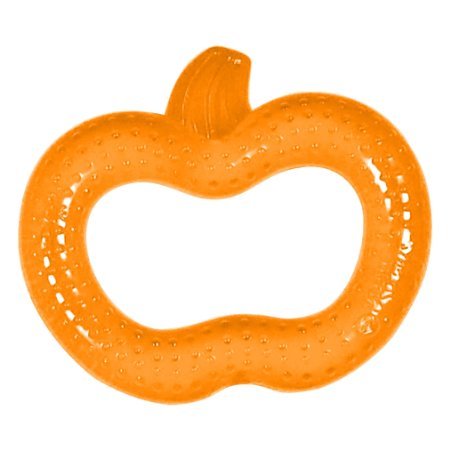
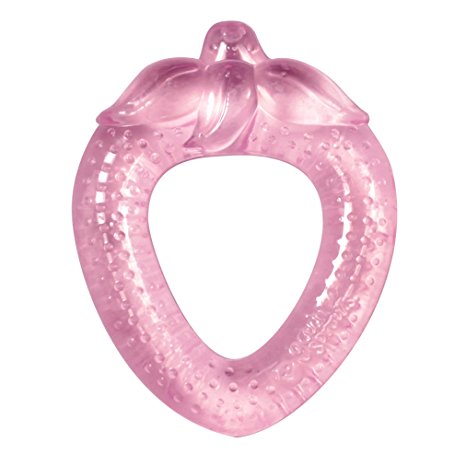
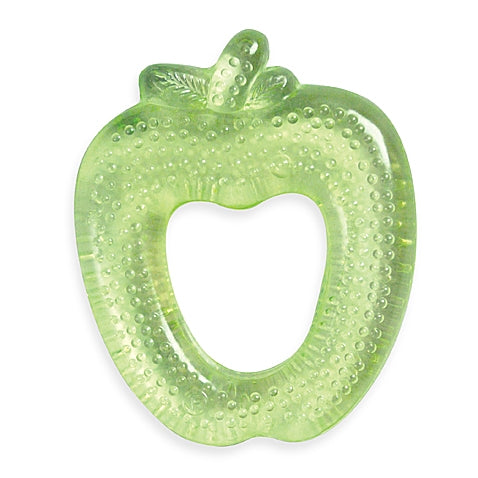
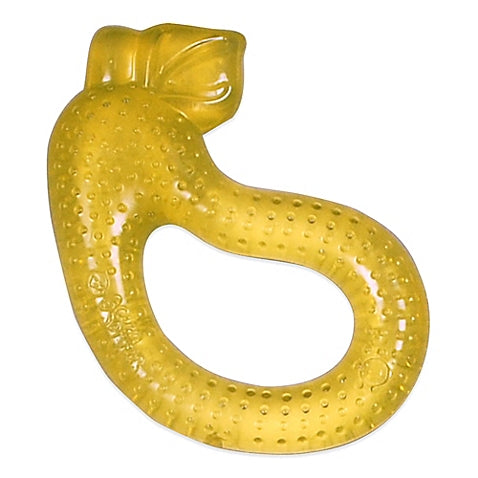
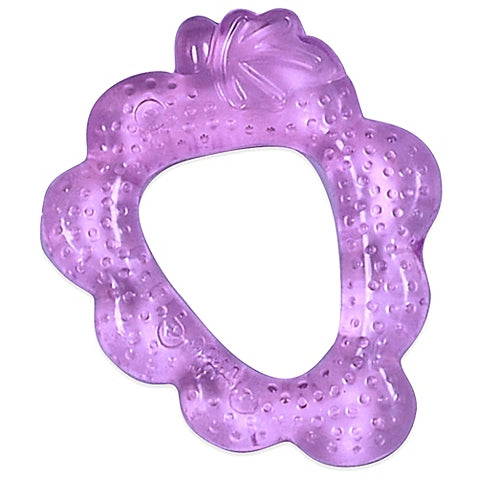

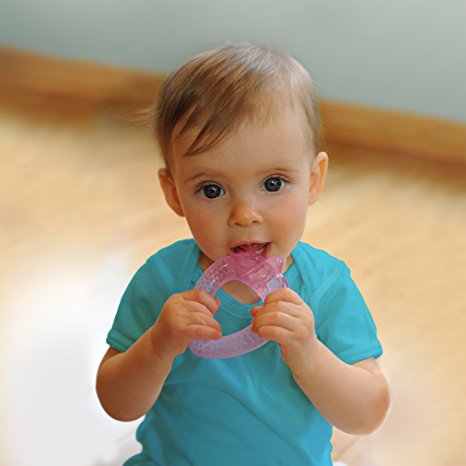
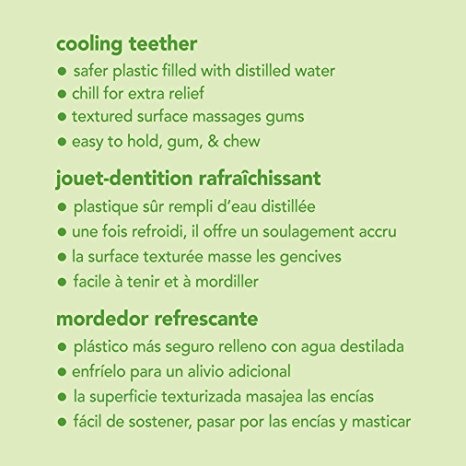
Cooling Teether by Green Sprouts
Sold Out
We were searching for a safe and affordable cooling teether... thank you Green Sprouts! A classic, chillable teether in cute fruit and veggie shapes! Filled with sterilized water. Cool in fridge...
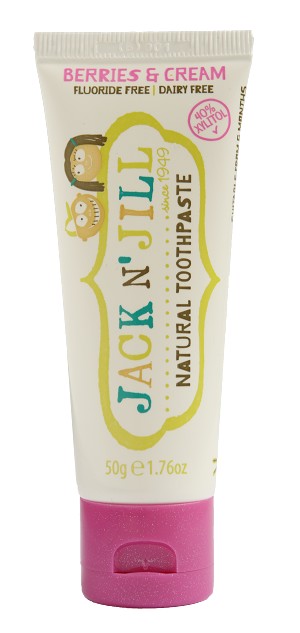
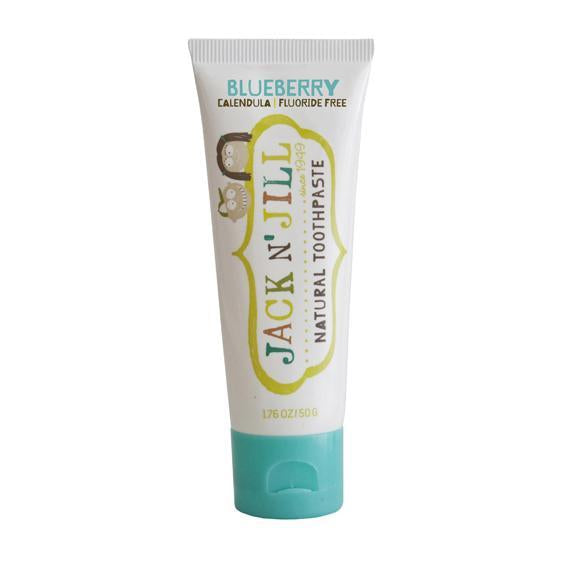
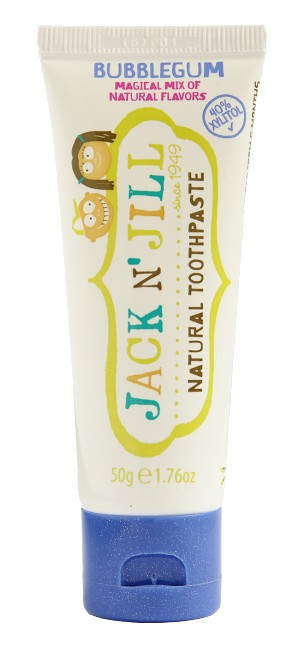
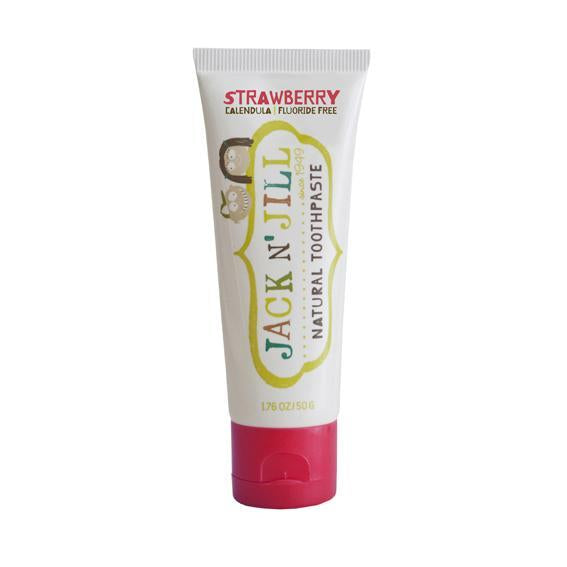
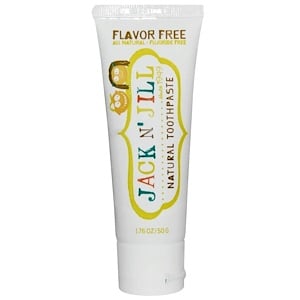
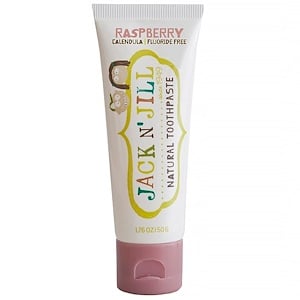
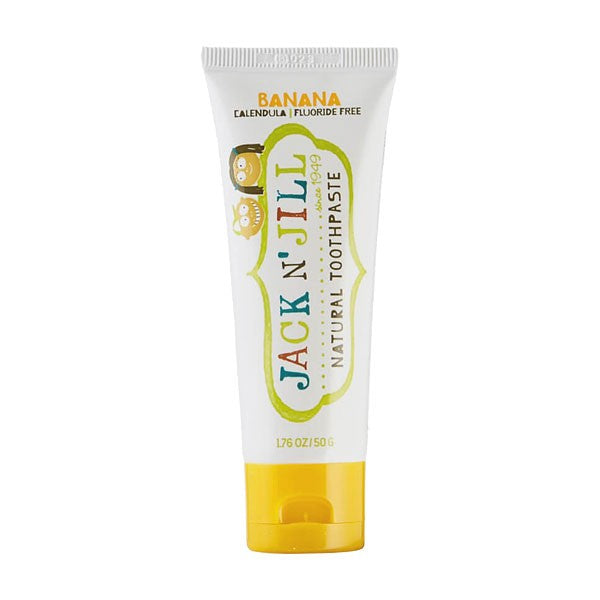
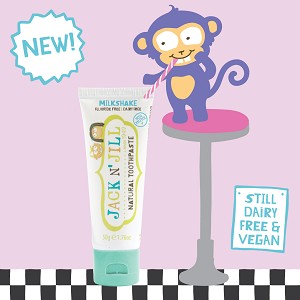
Jack N' Jill Natural Calendula Toothpaste
$ 8.99
A magical mix of natural flavors with 40% xylitol and calendula! Safe for swallowing; a perfect first toothpaste!This Jack n' Jill Kids Toothpaste makes tooth brushing fun for kids, with...
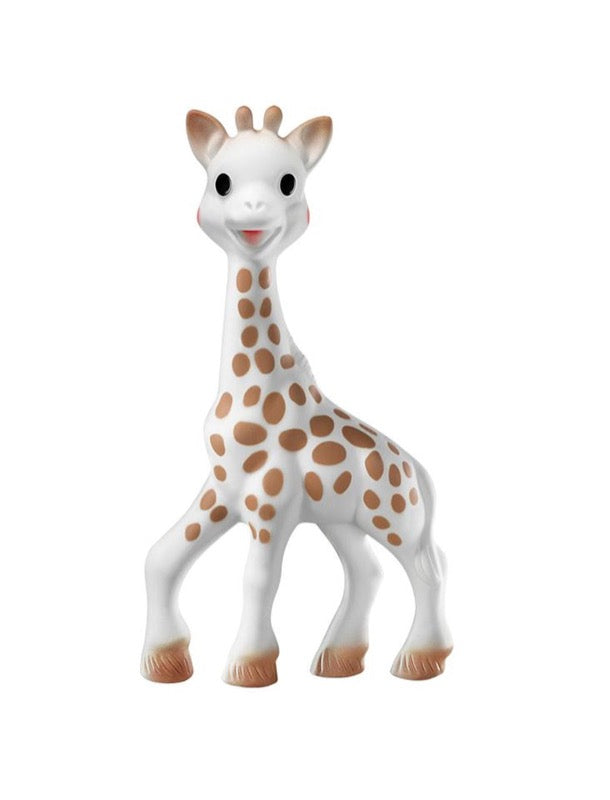
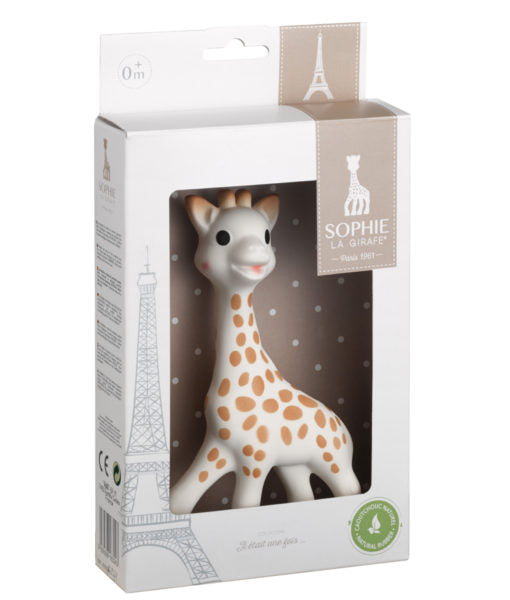
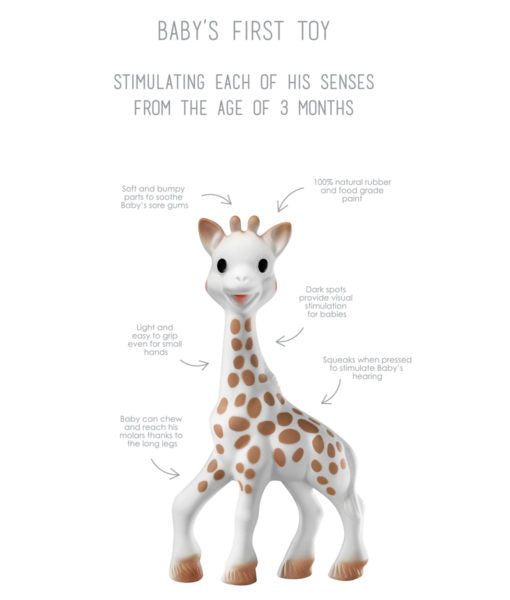
Sophie the Giraffe
Sold Out
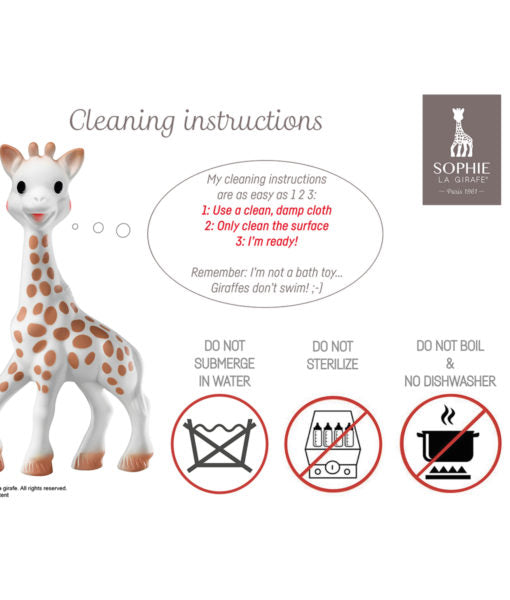
Who doesn't love Sophie?! The famous giraffe ‘Sophie’, who has been part of babies’ lives for almost 50 years. Slender, flexible, and soft; baby can squeeze and chew her in...


Wood & Silicone Ring Teether
Sold Out
Easy to Clean, Dishwasher SafeSoothes sore gumsPerfect Size for little hands to touch, hold, and chewTextured surface stimulates hands For What Age For ages 0 months+ Materials Made from 100%...



Cleaning Teether by Green Sprouts
$ 9.99
The soft, flexible Cleaning Teether is made from BPA and PVC-free silicone for baby’s health and well-being. It is perfectly sized to promote healthy oral development, and the multiple textures...


Front & Side Teether by Green Sprouts
$ 9.99
The soft, flexible Front & Side Teether is made from BPA and PVC-free silicone for baby’s health and well-being. Great nubs, just like fingers, for chewing on! Perfectly sized to...


Green Sprouts Molar Teether
Sold Out
The soft, flexible Molar Teether is made from BPA- and PVC-free silicone for baby’s health and well-being. It is perfectly sized to promote healthy oral development, and the multiple textures...

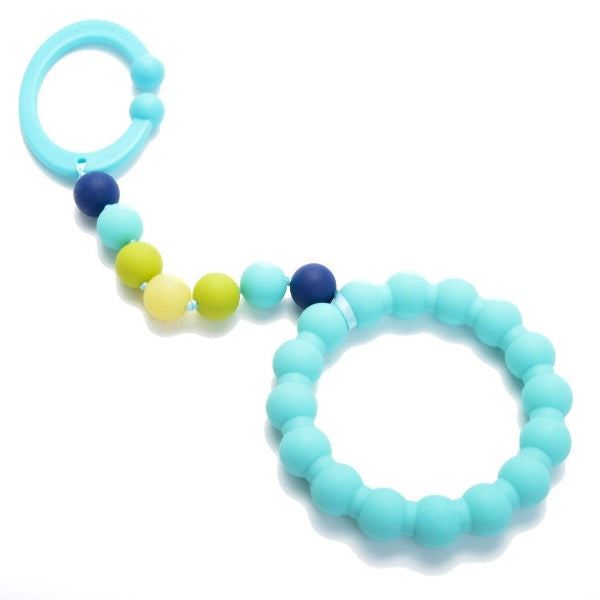

Gramercy Stroller Toy by Chewbeads CB Go
Sold Out
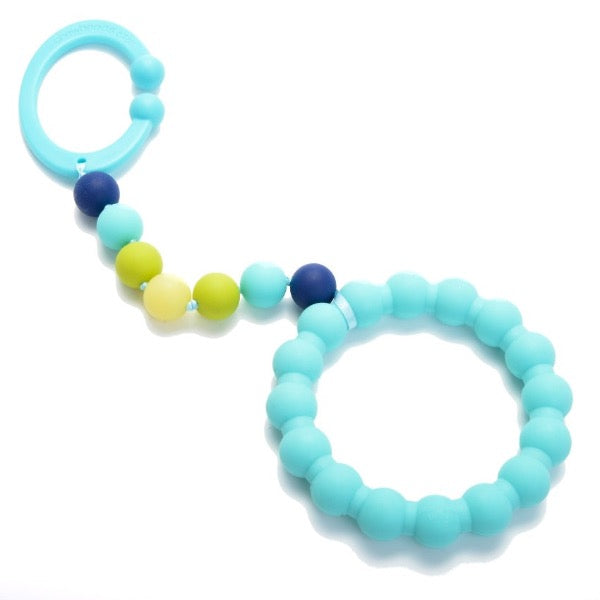
Everyone is drawn to this colorful, vibrant stroller toy by Chewbeads! Great for teething, holding, attaching another toy to, and more! Easy to clean too! for what age For ages...


Itzy Ritzy Silicone Teething Mitt
$ 9.99
Sore gums are no match for the Itzy Ritzy Teething Mitt! Itzy Ritzy teething mitts are safe on baby’s gums, and the glove design keeps baby from getting scratches on...
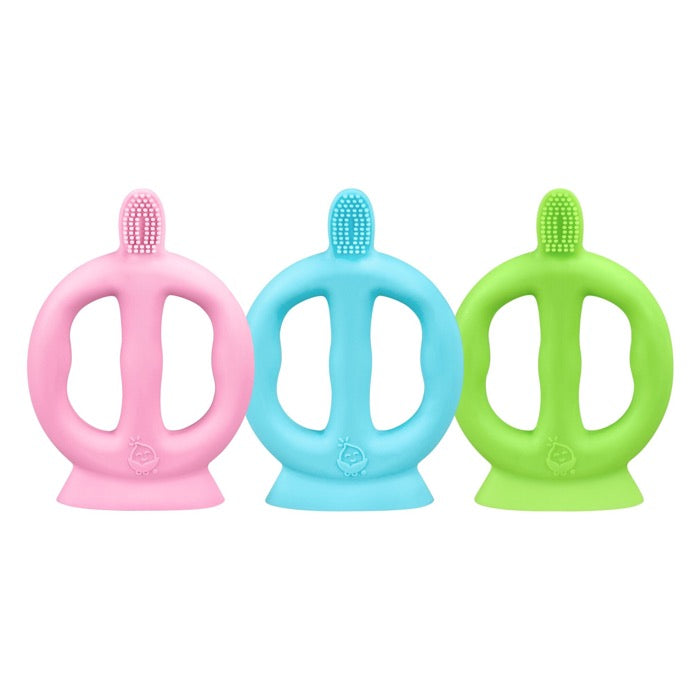
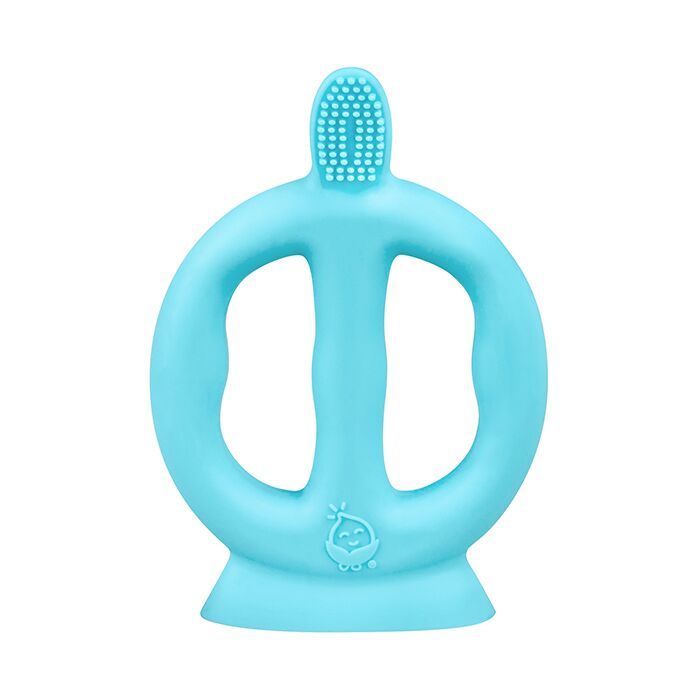
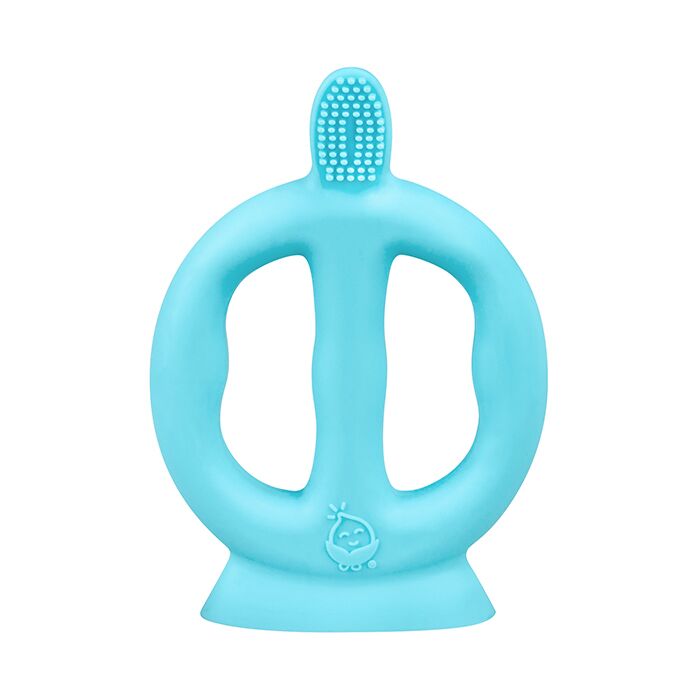

Learning Toothbrush for Toddlers
$ 8.99
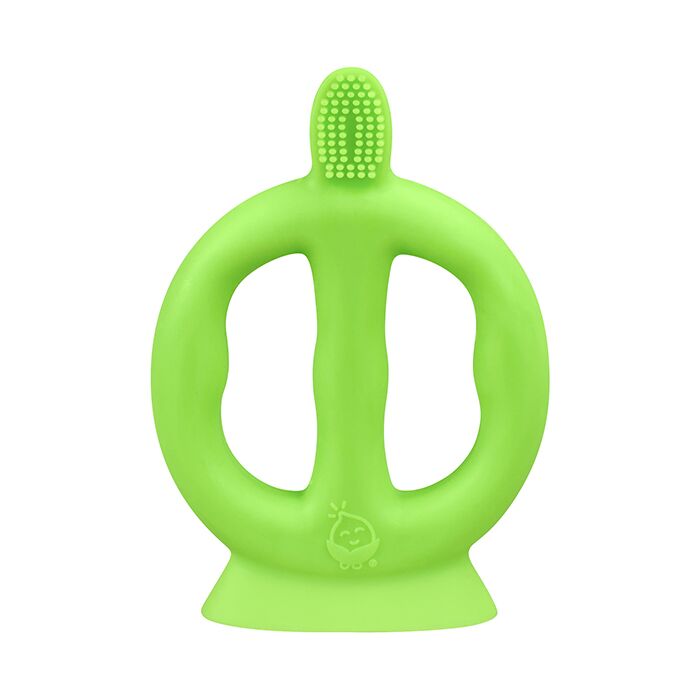
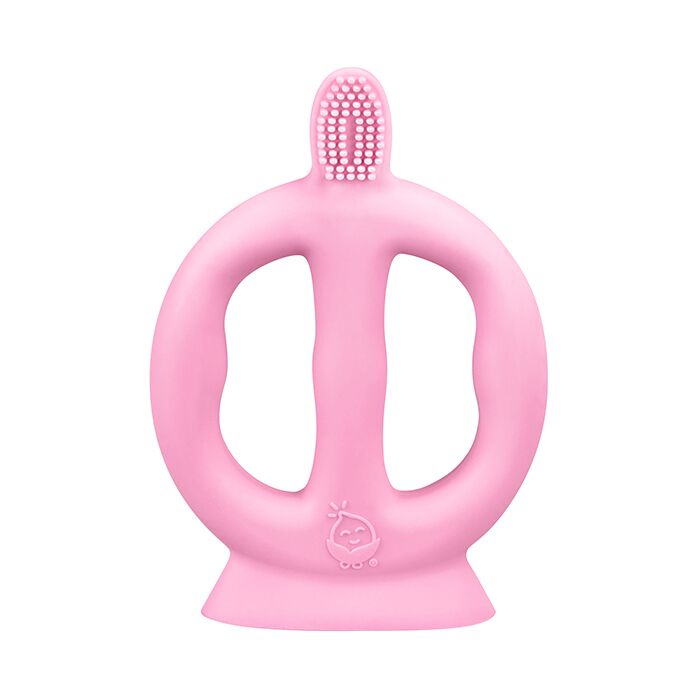
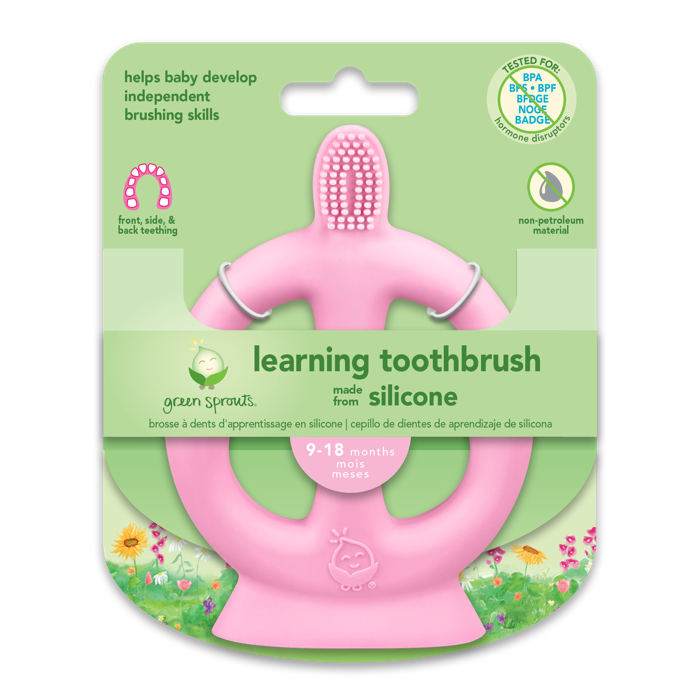
Fun, easy to hold, easy to clean, and durable! The perfect starter toddler toothbrush for your independence-seeking kiddo! One side of the brush head has flexible silicone bristles to massage...


Haakaa Natural Rubber Sleeping Owl Teether
Sold Out
You know how some babies are "allergic" to rubber? Well not with this teether! All natural and the perfect texture for teething! Haakaa is a champion of smart design! The Sleeping...



HABA Color Pyramid Clutching Toy
Sold Out
Our customers love the quality and design of Haba toys and you will too! This clutching rattle is brightly colored, flexible and has numerous fun and exciting elements for children...
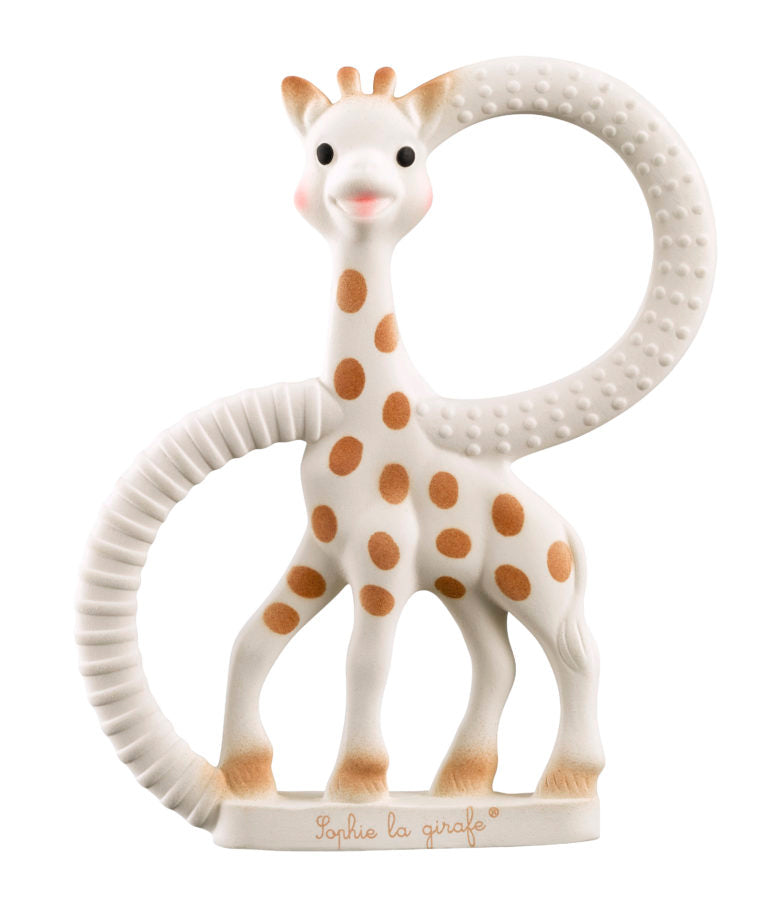
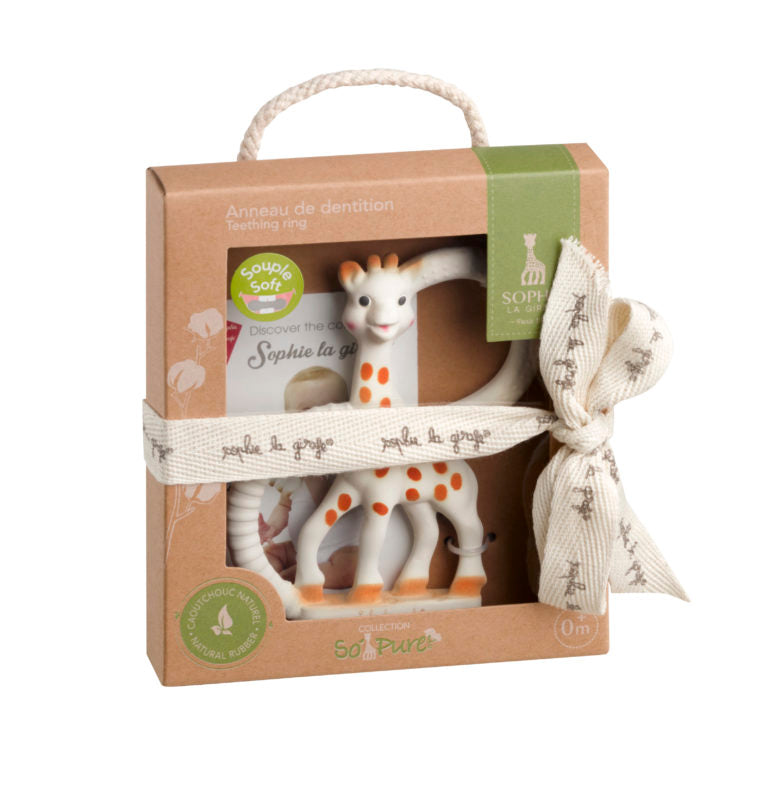
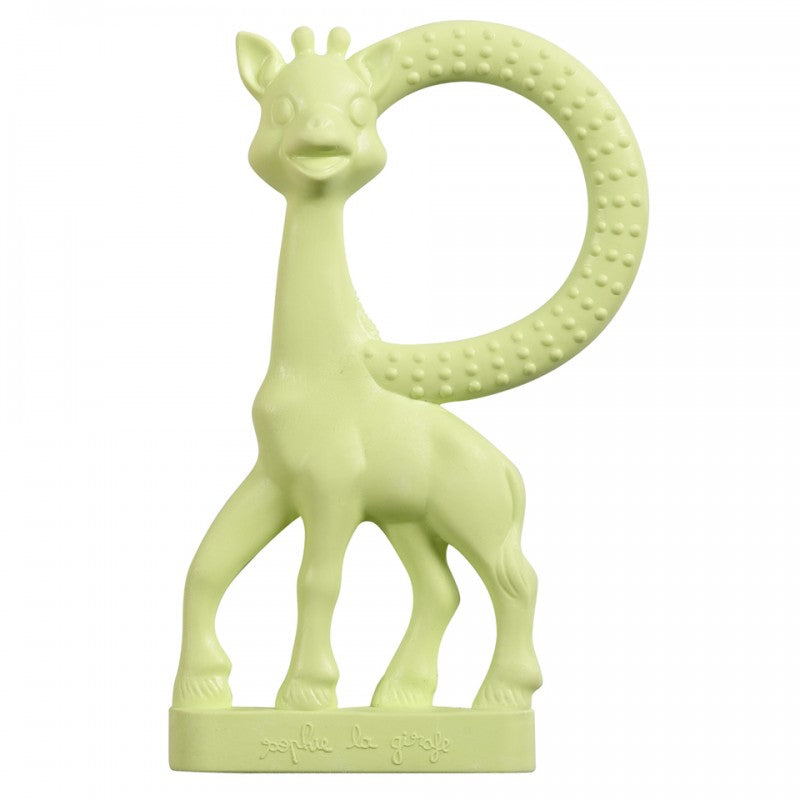
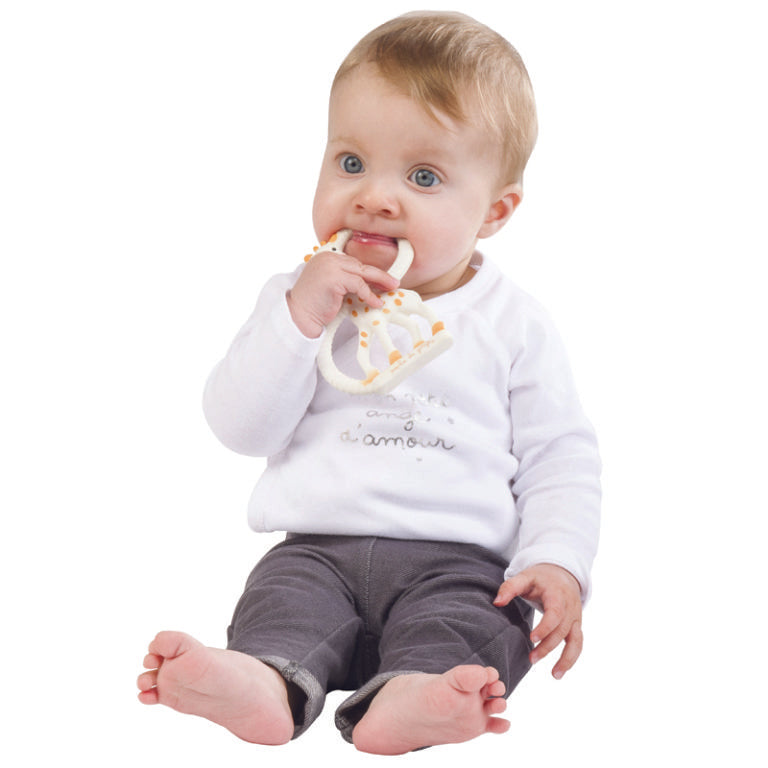
Sophie So' Pure Teether
Sold Out
Like all Sophie rubber toys, this teether is gentle on gums and emerging teeth, so easy to grasp and hold, and has that skin-like quality that babies seem to love....
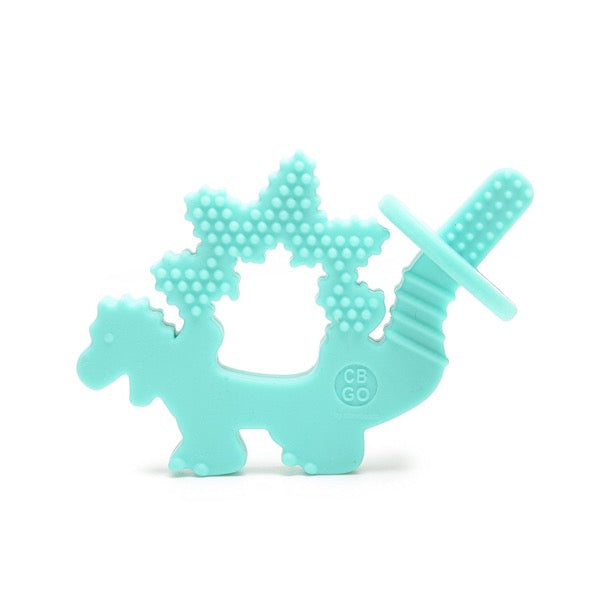
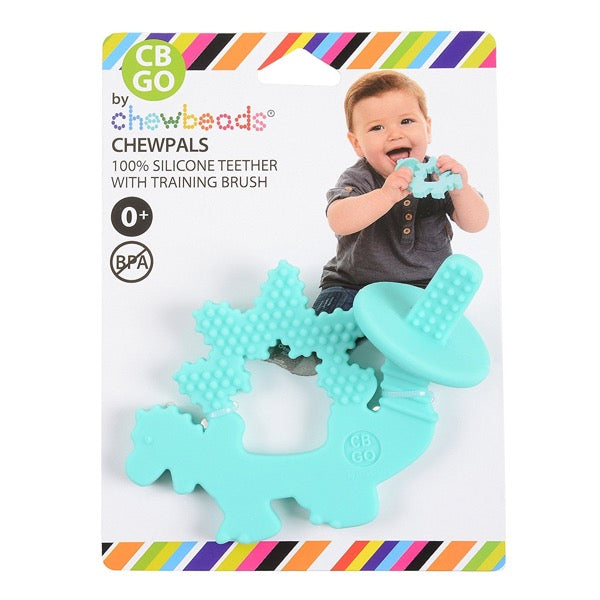
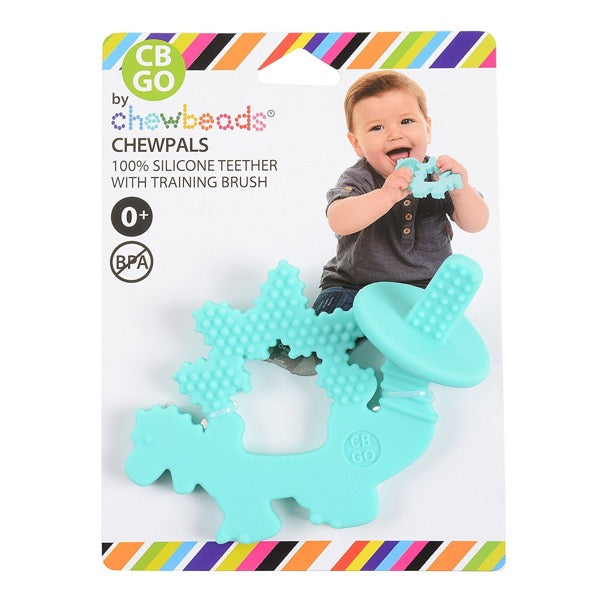

Chewbeads Baby Chewpals 100% Silicone Dinosaur Teether
Sold Out
A best seller in our retail store! Easy to hold, interesting textures, easy to clean! Features that we love about the Chewbeads Chewpals Dinosaur teether:Easy to Clean, Dishwasher SafeSoothes sore...
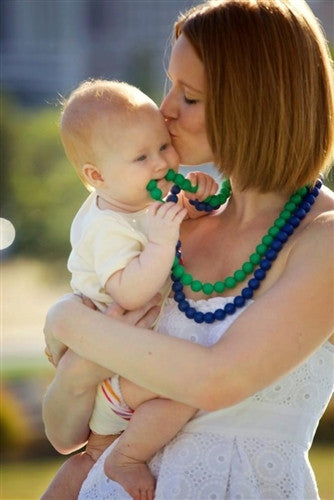
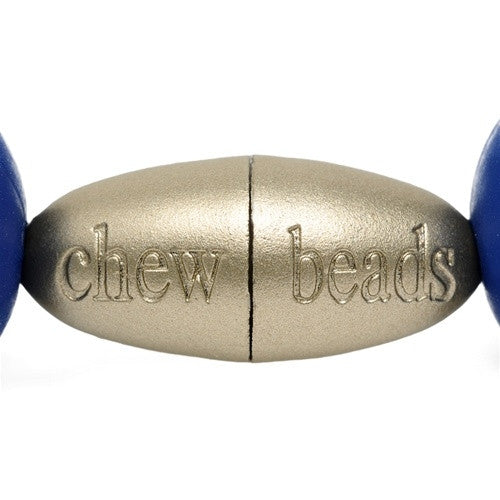
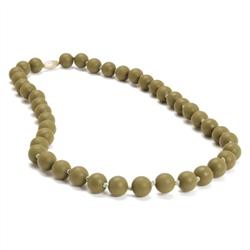
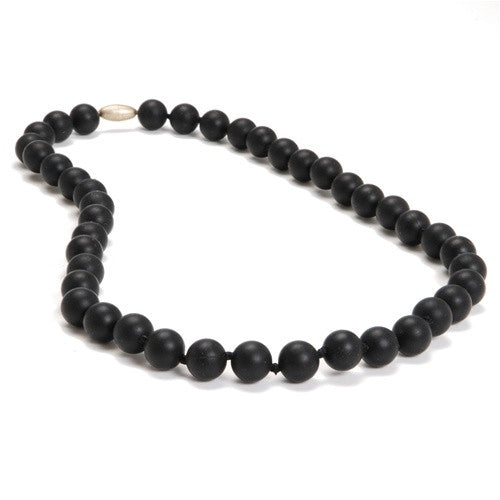
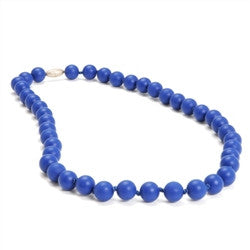
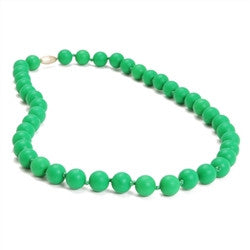
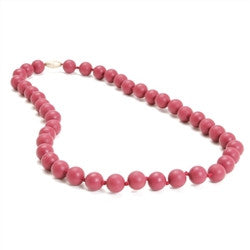
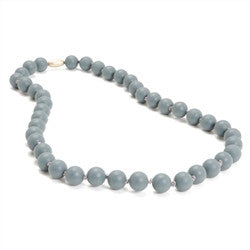
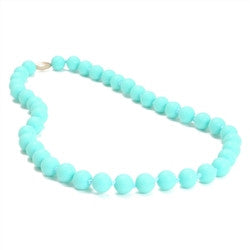
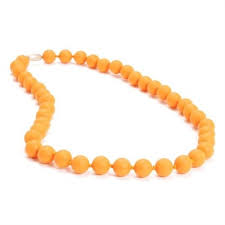
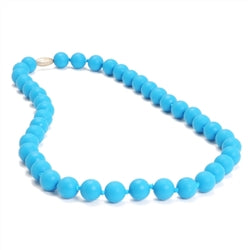

Jane Necklace by Chewbeads
Sold Out
A favorite necklace; we love Chewbeads! 100% silicone teething jewelry that mom wears and baby can play with and mouth on. Also great for baby to focus on while nursing...


Super Cute Silicone Teethers with Clips
$ 24.99
Keep the teether off the ground and in your possession with these durable clips paired with some of the cutest silicone teethers! Simply clip, and go! for what age For...
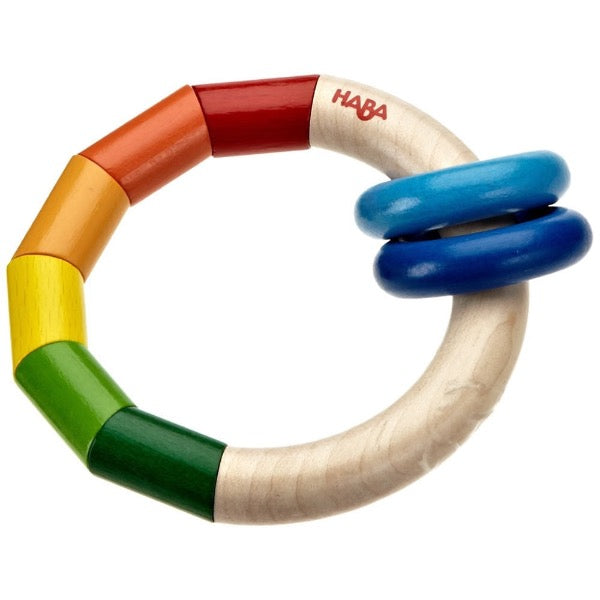
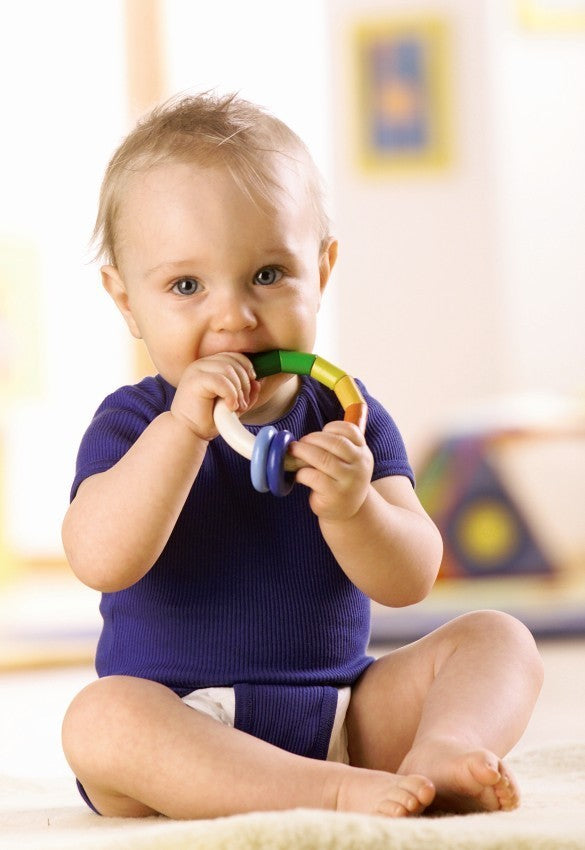
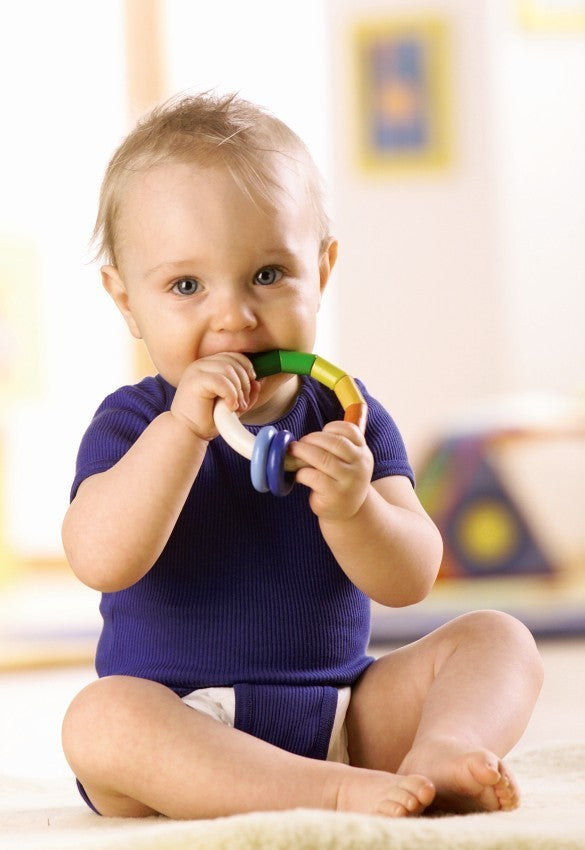
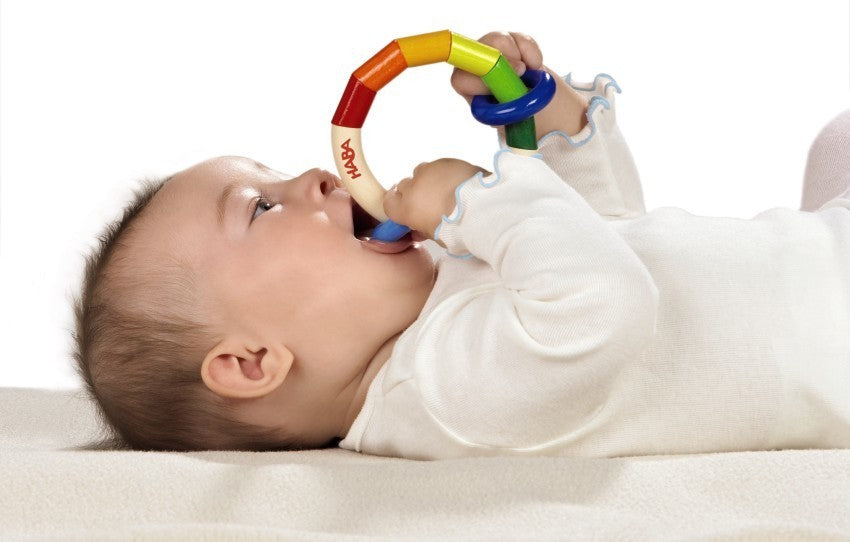

Kringelring Clutching Toy
$ 17.99
A rainbow of colors to entice your little one! This ring-shaped toy is part solid, unstained wood, with a segment of red, two shades of orange, yellow, and two shades of green;...
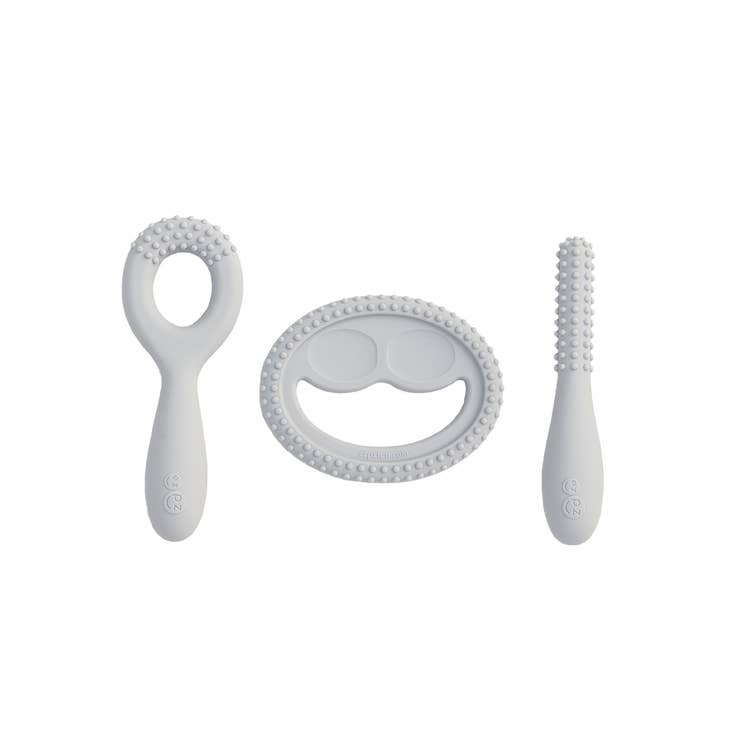
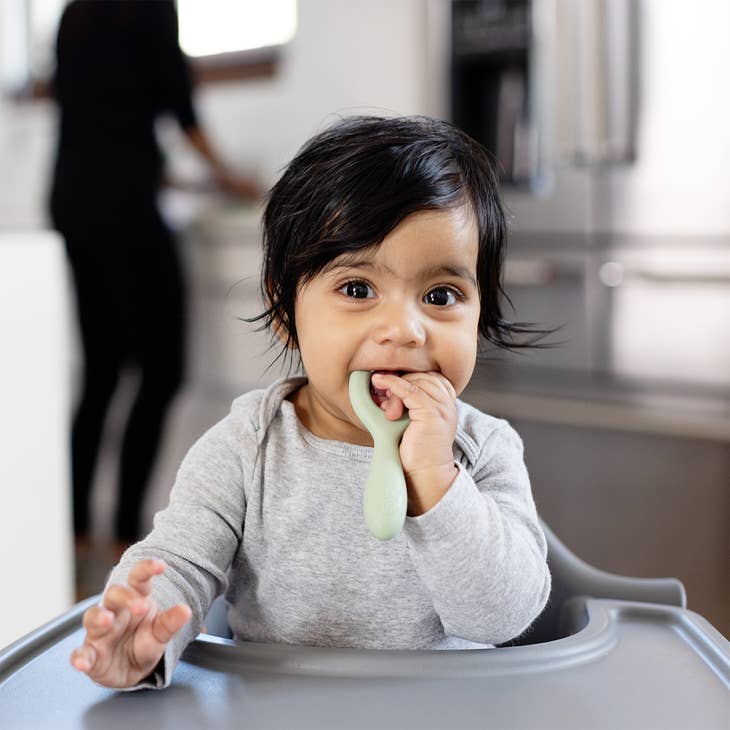
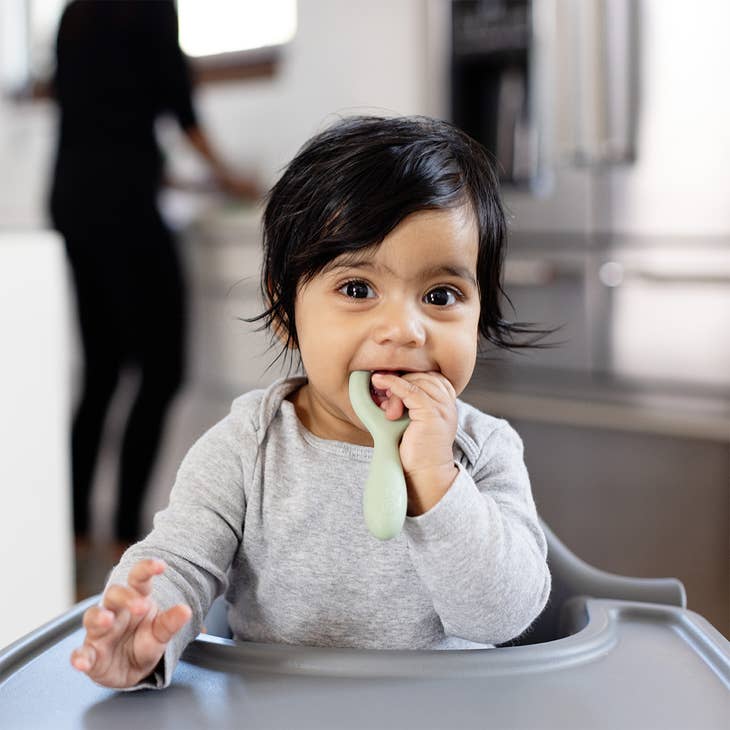
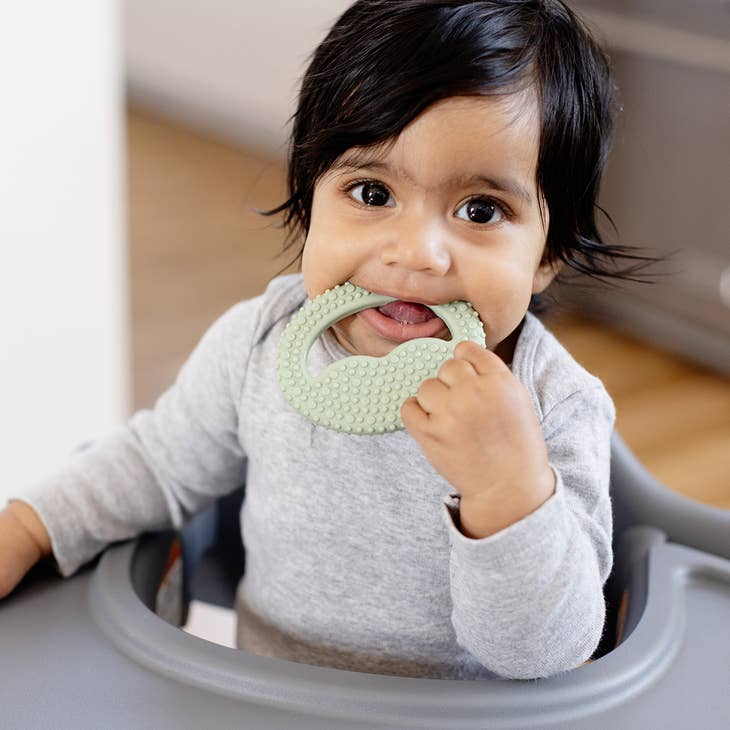
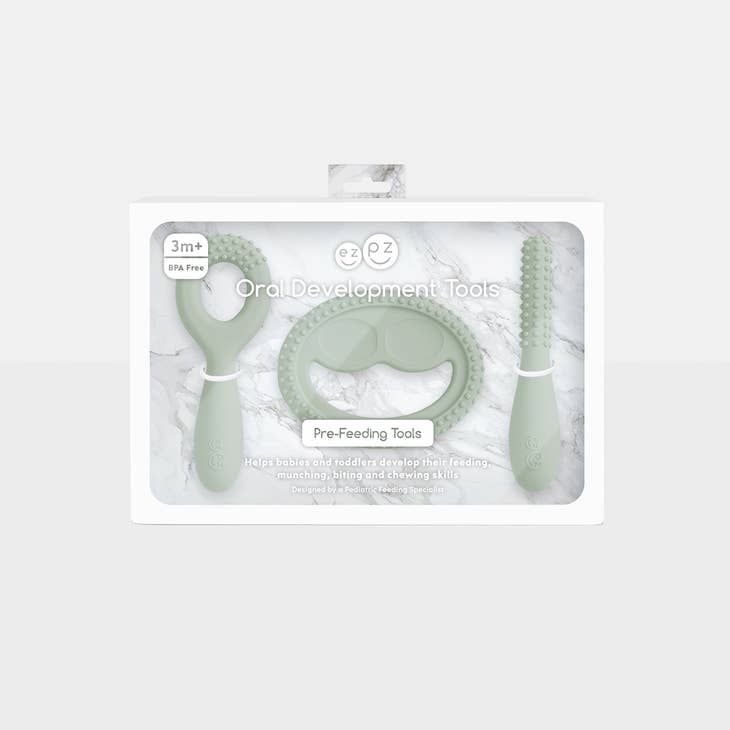
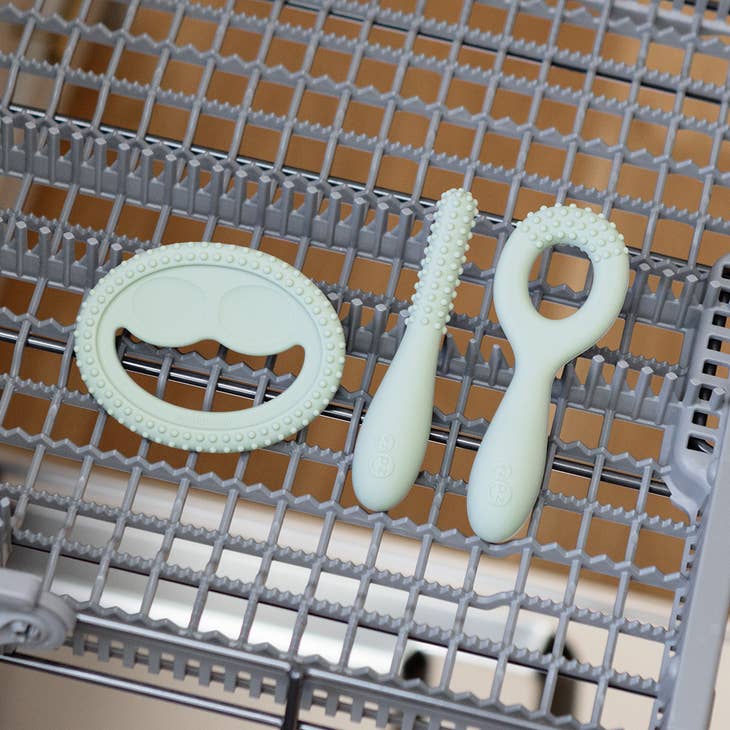
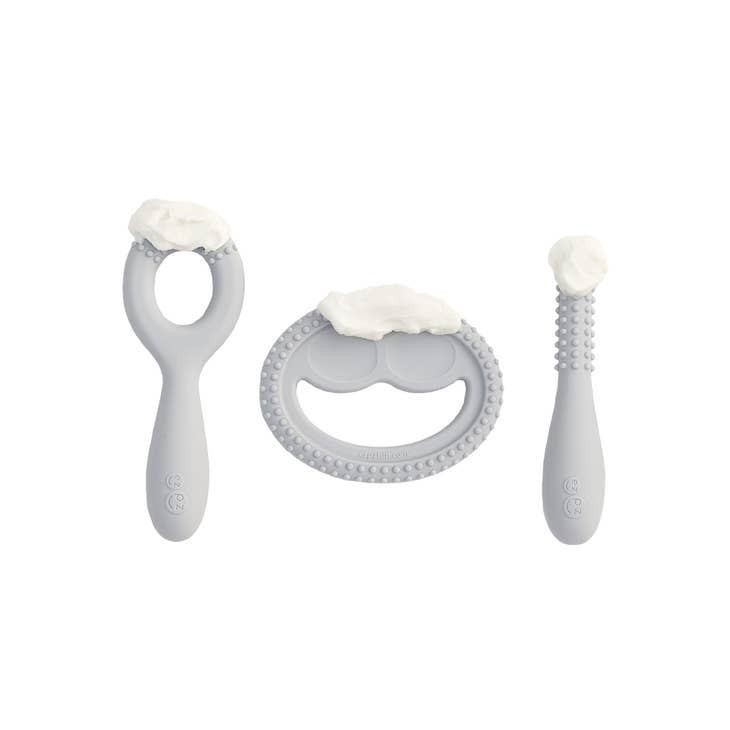
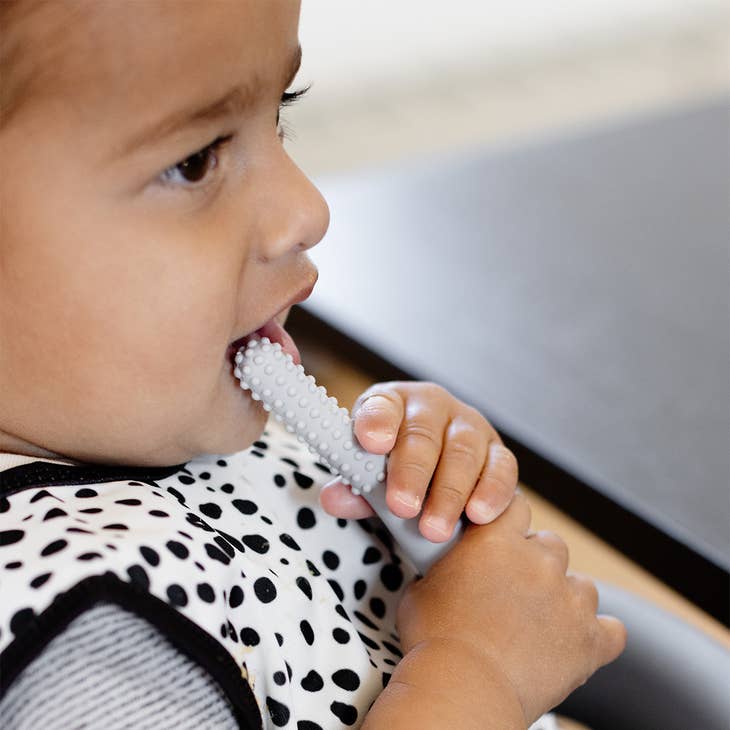
Oral Development Tools from EZPZ
$ 16.99
ezpz Oral Development Tools are sensorimotor devices designed to help babies and toddlers practice their feeding, munching, biting and chewing skills. Each set includes 3 pieces (Tiny, Mini and Happy Development...
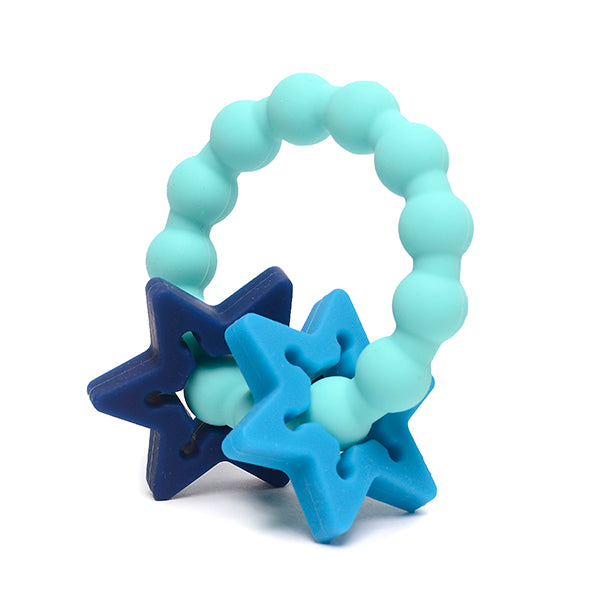
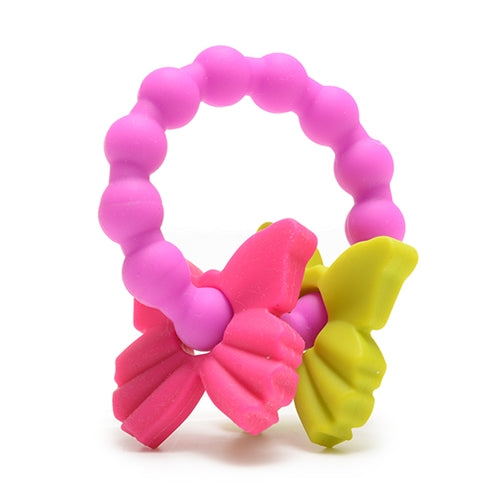
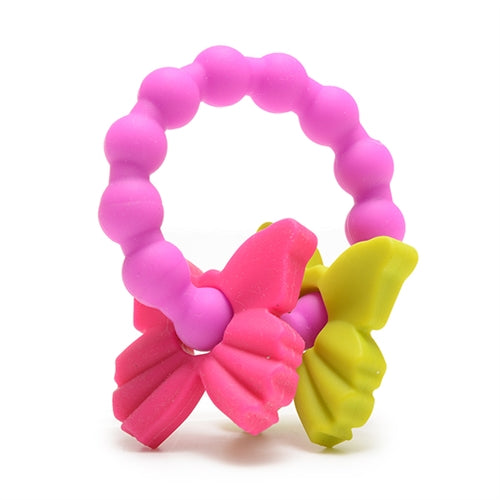


Chewbeads 100% Silicone Central Park Teether
Sold Out
This soft silicone teething ring is a classic design with a great texture for chewing on; it's silicone! Distract your distressed baby anywhere, then throw it in the dishwasher. It's...
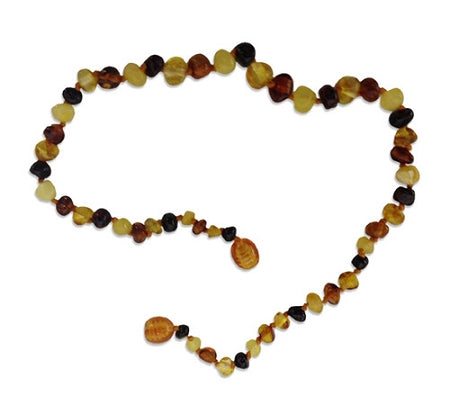
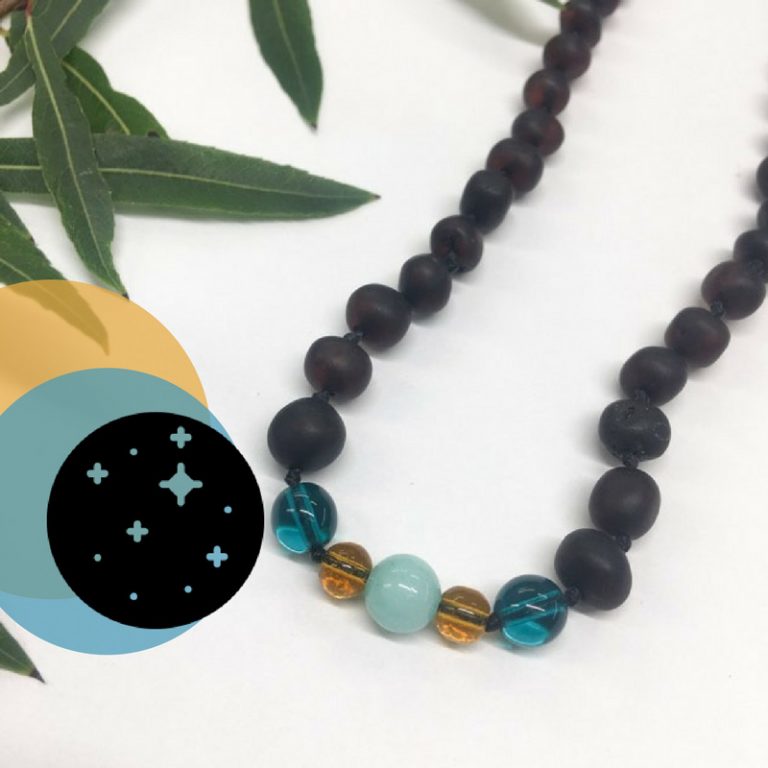
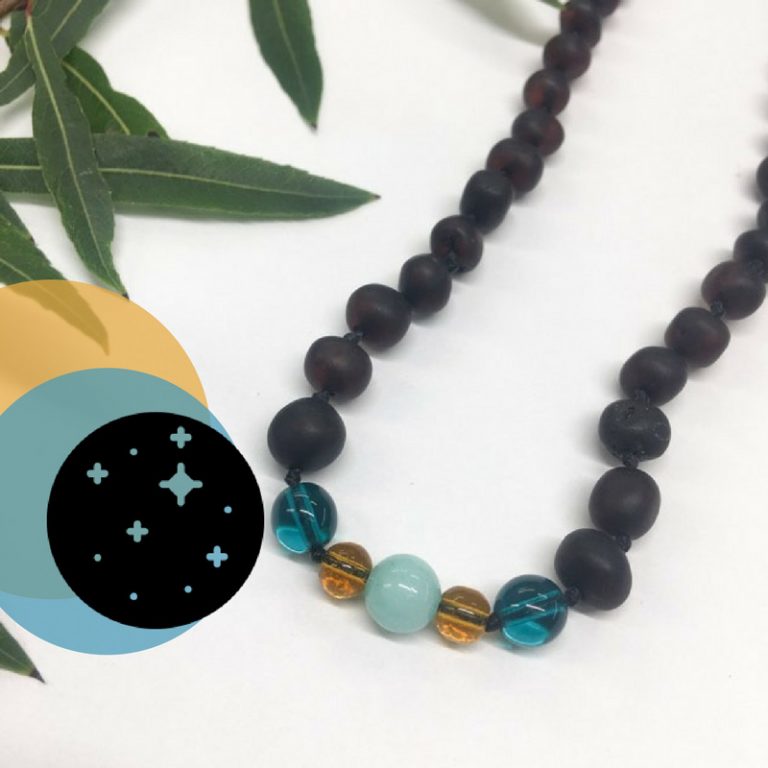
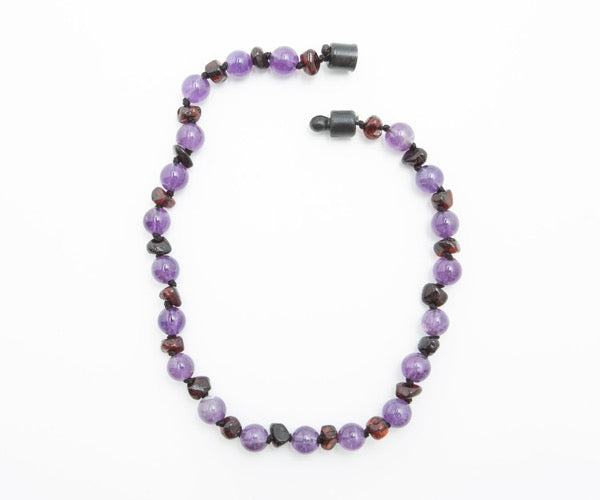
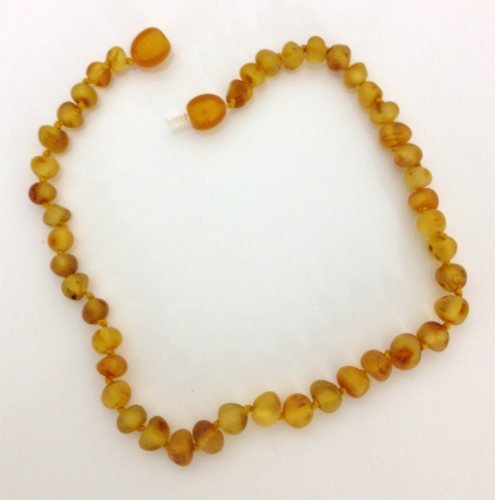
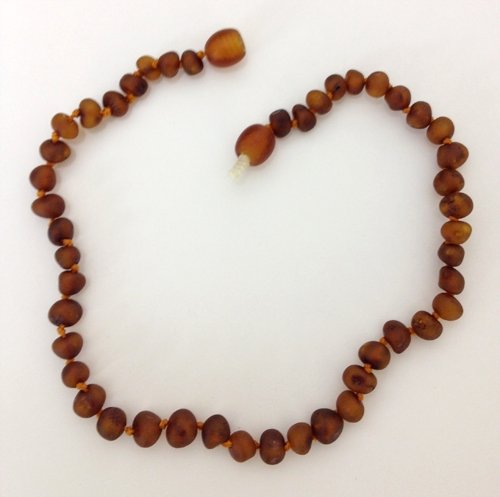
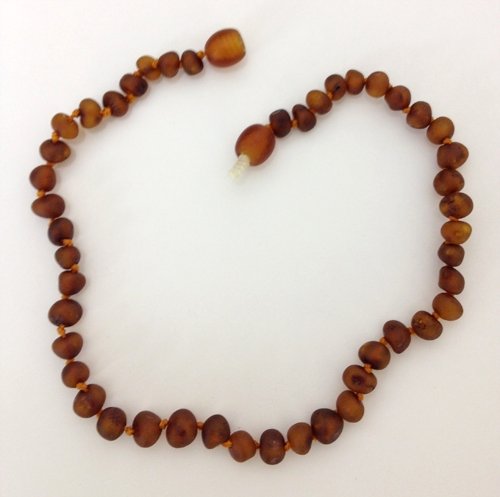
Baltic Amber Necklaces by Healing Hazel
Sold Out
Baltic Amber baby teething natural pain relief necklaces are suitable for babies, toddlers, and children. Amber is associated with sunlight and warmth and reputed to boost the immune system, reduce...


Joinibbles Silicone Teether Toys, 5 Pack
$ 12.99
Say goodbye to teething troubles with Joinibbles Silicone Teether Toys! These 5 colorful teething toys are soft, flexible, and perfect for your little one's tiny hands. But they're not just...
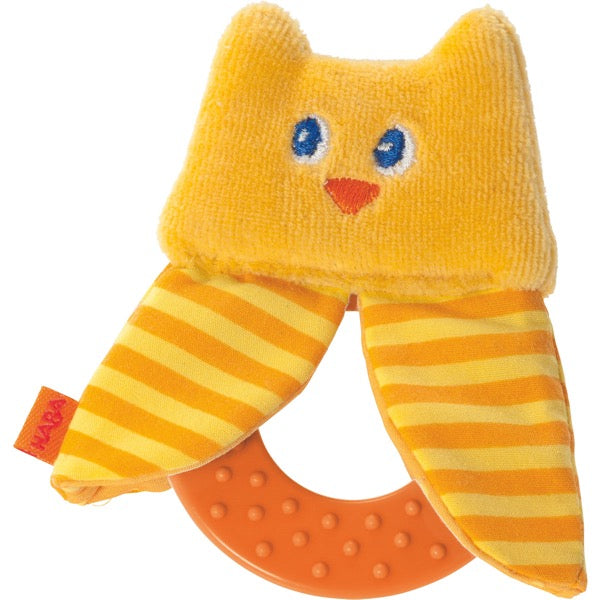
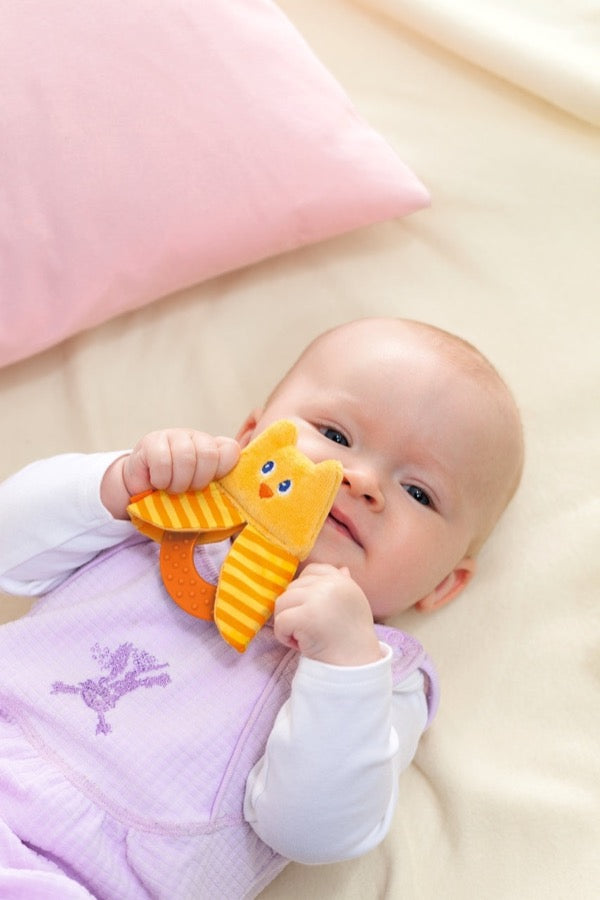

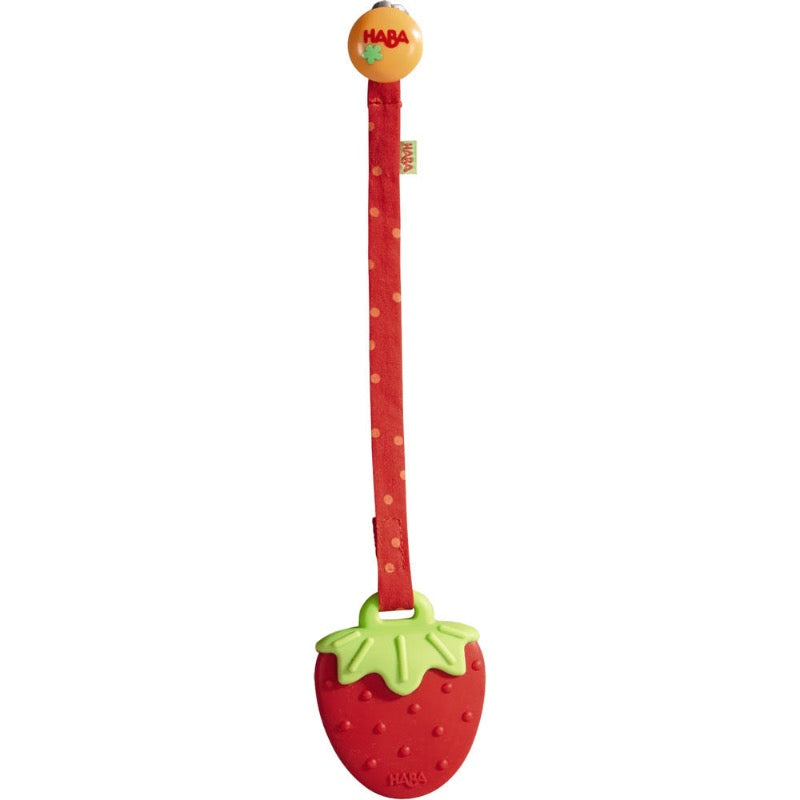
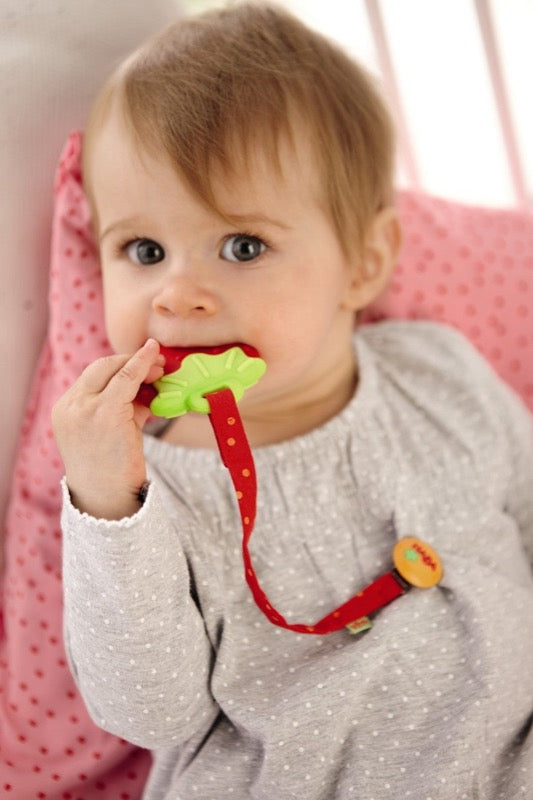
Haba Strawberry Clutching Toy & Teether
Sold Out
Your little sweetie deserves this sweet strawberry to chew on! Made from food-grade silicone and includes hook and loop strap with clip. With its grippy feel and knobby textures, they'll...
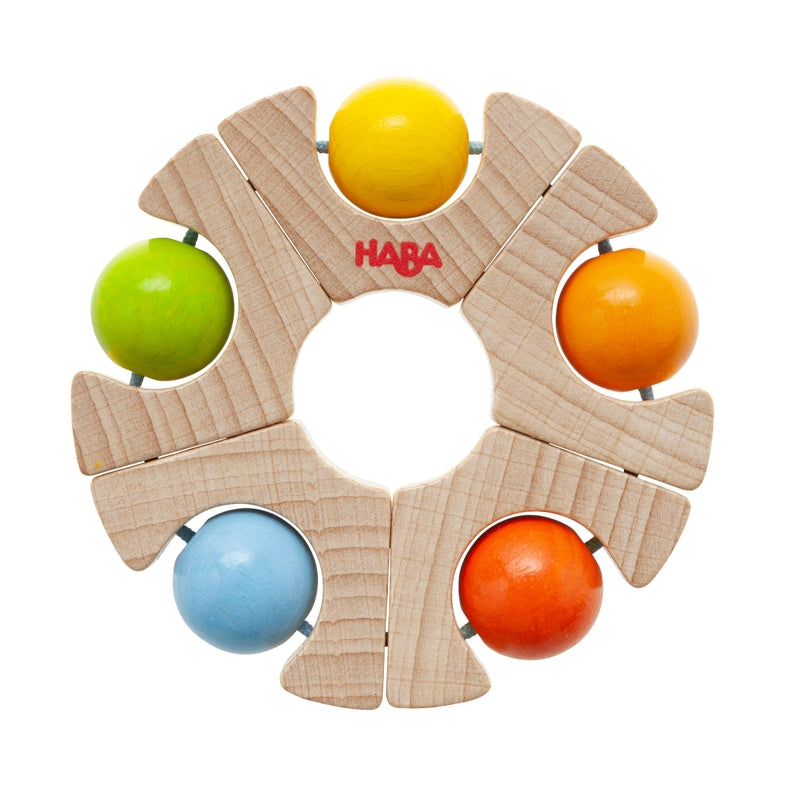
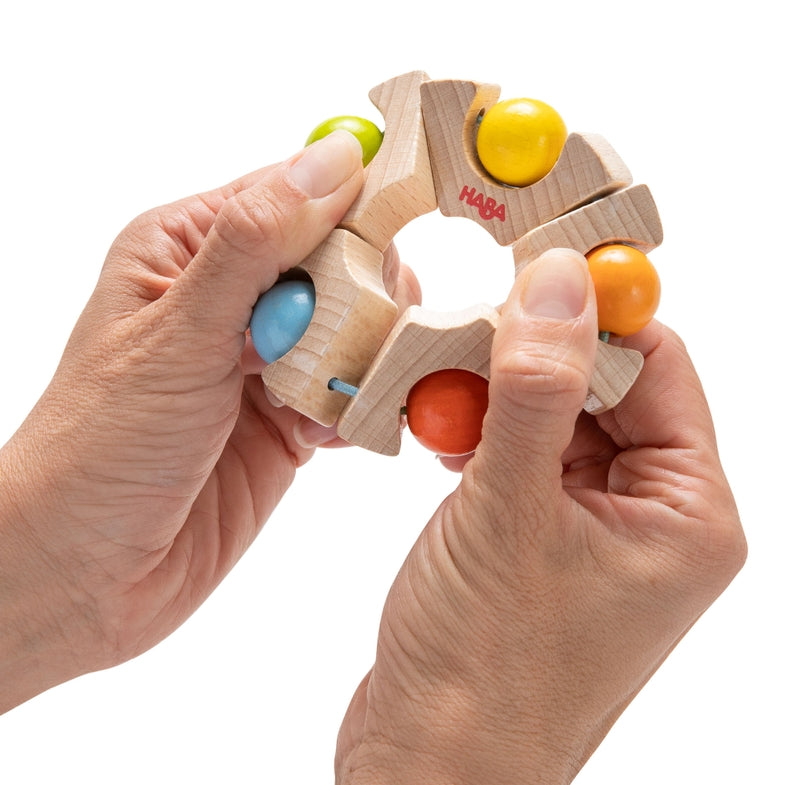
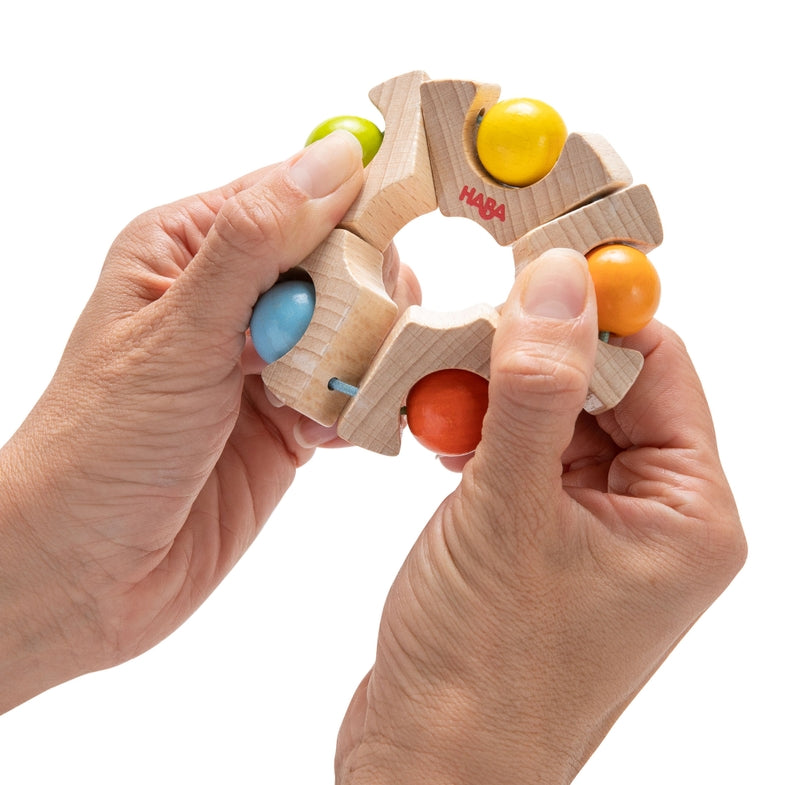
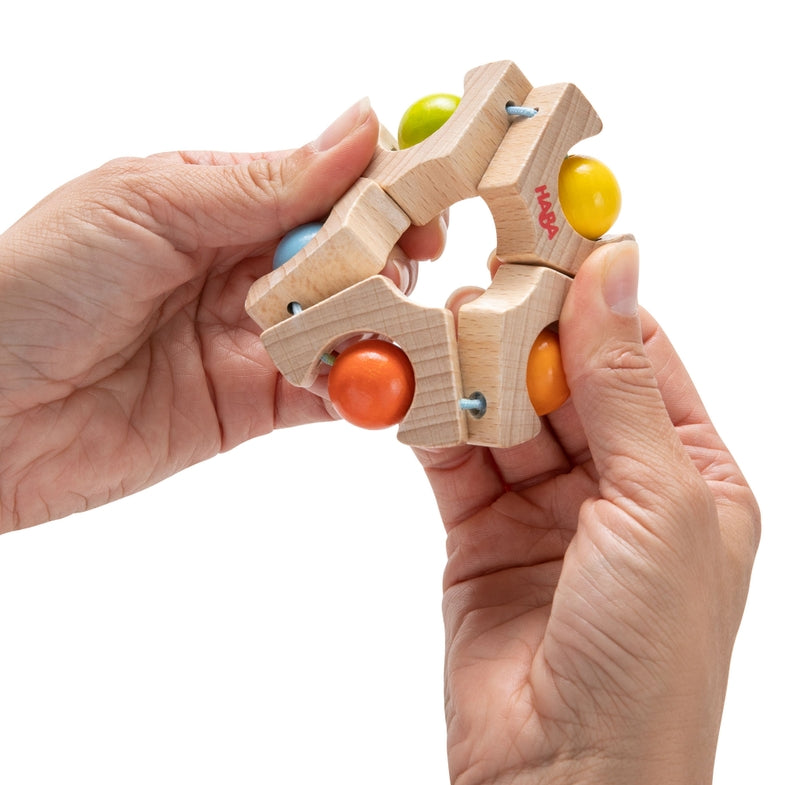
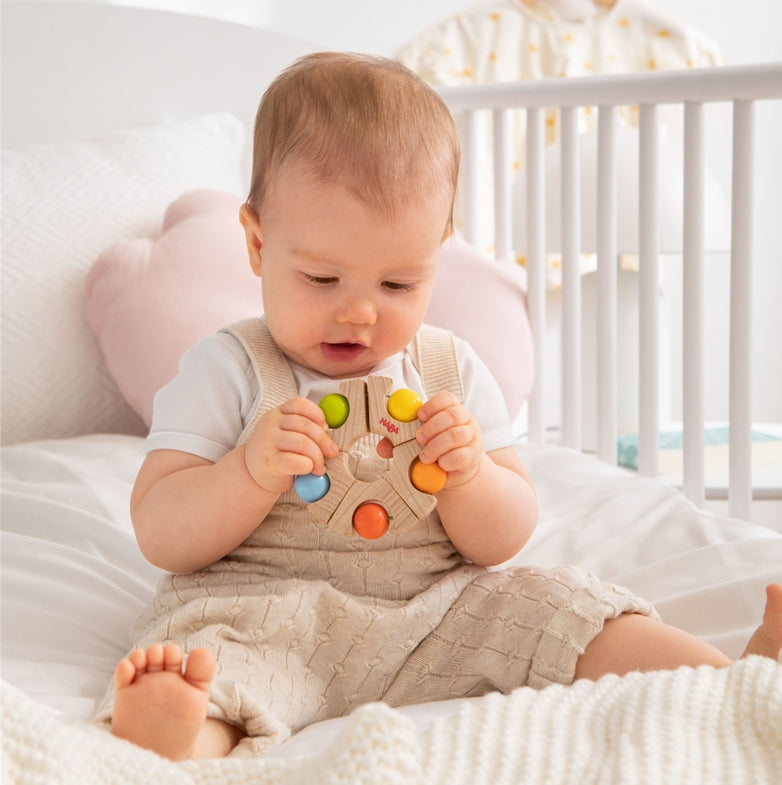


Ball Wheel Grasping Toy
$ 17.99
A rainbow of colors to entice your little one! Colored balls inside each wooden piece peak the curiosity, while each wood piece can be manipulated individually on the stretchy cord...
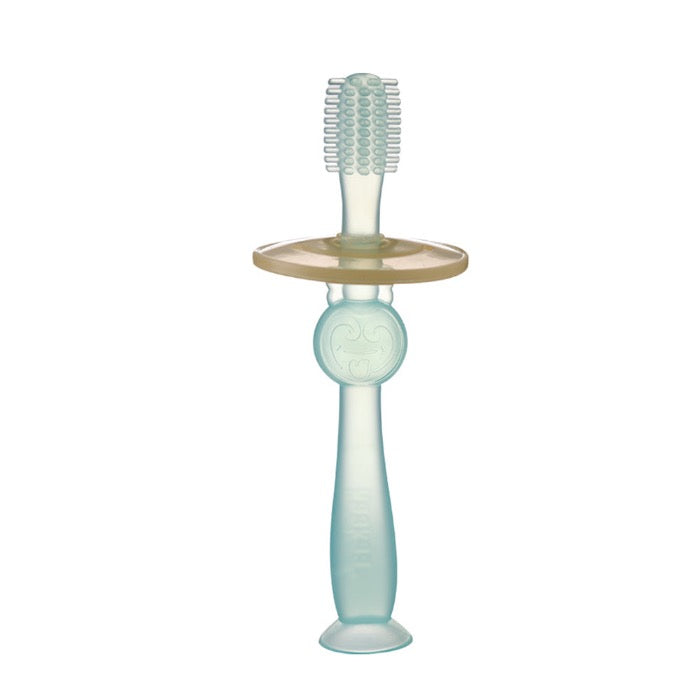
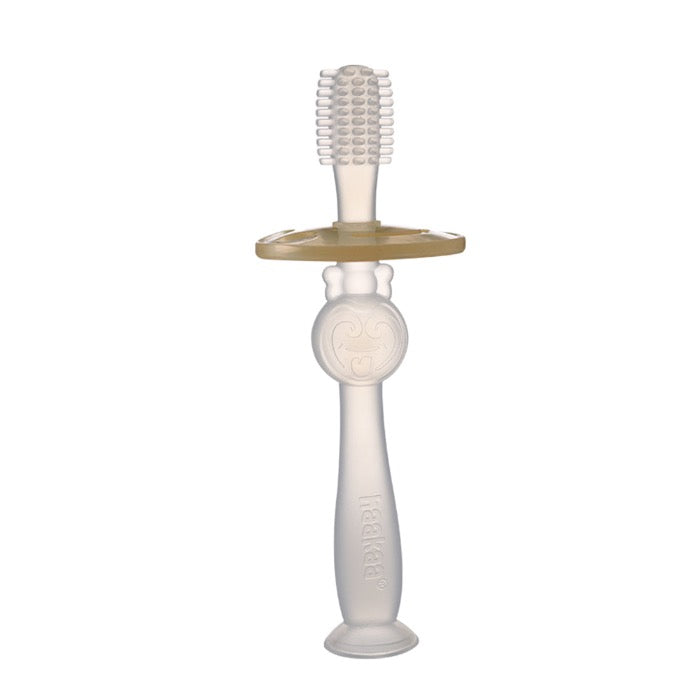
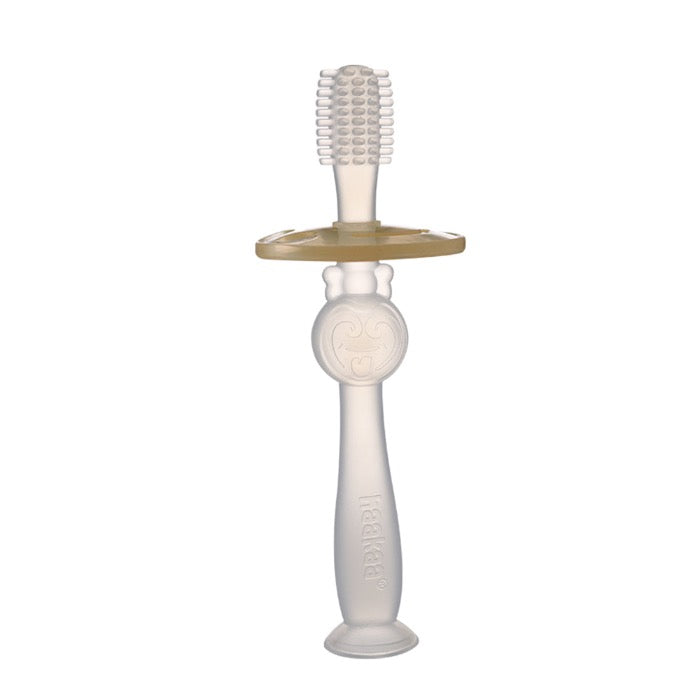
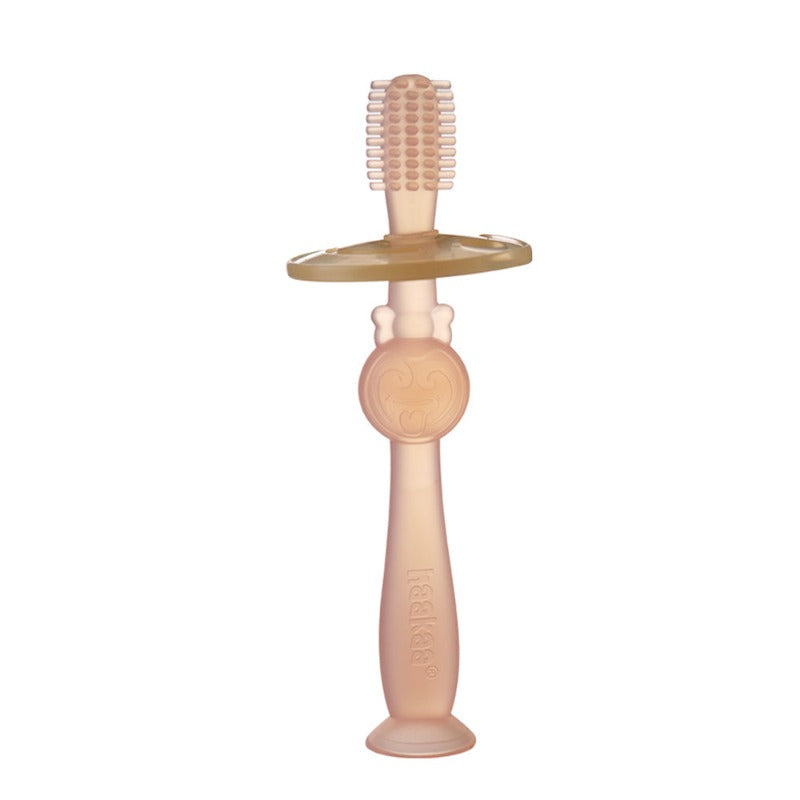

360° Silicone Toothbrush by Haakaa
Sold Out
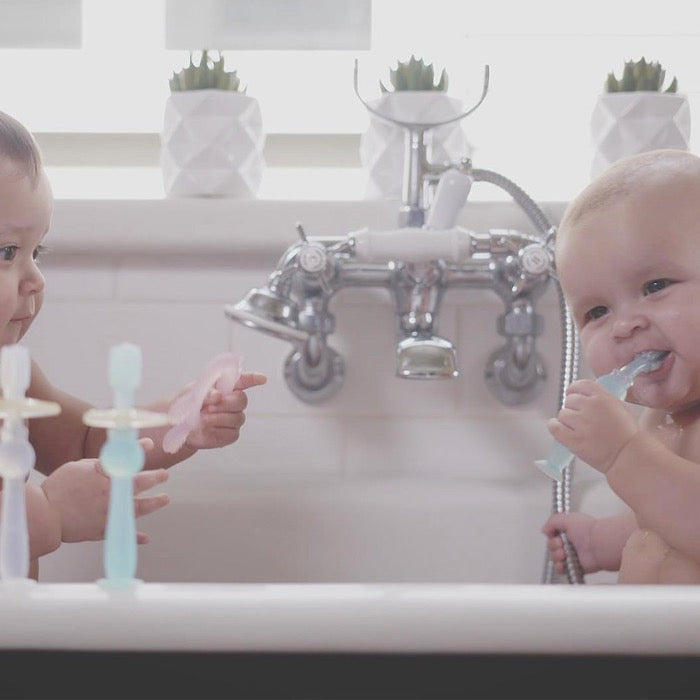
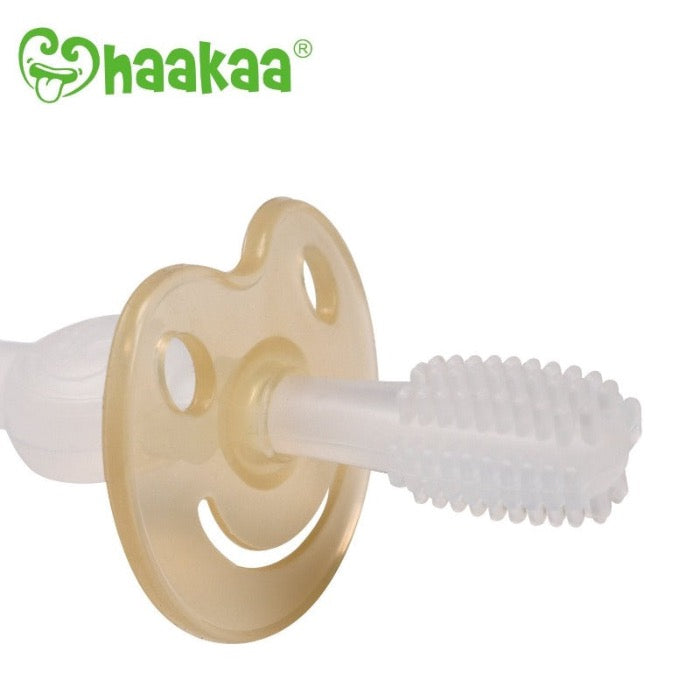
The Haakaa 360° Silicone Toothbrush is designed to give your little one a thorough and effective cleaning experience when brushing their little teeth and gums. The soft silicone bristles provide a...
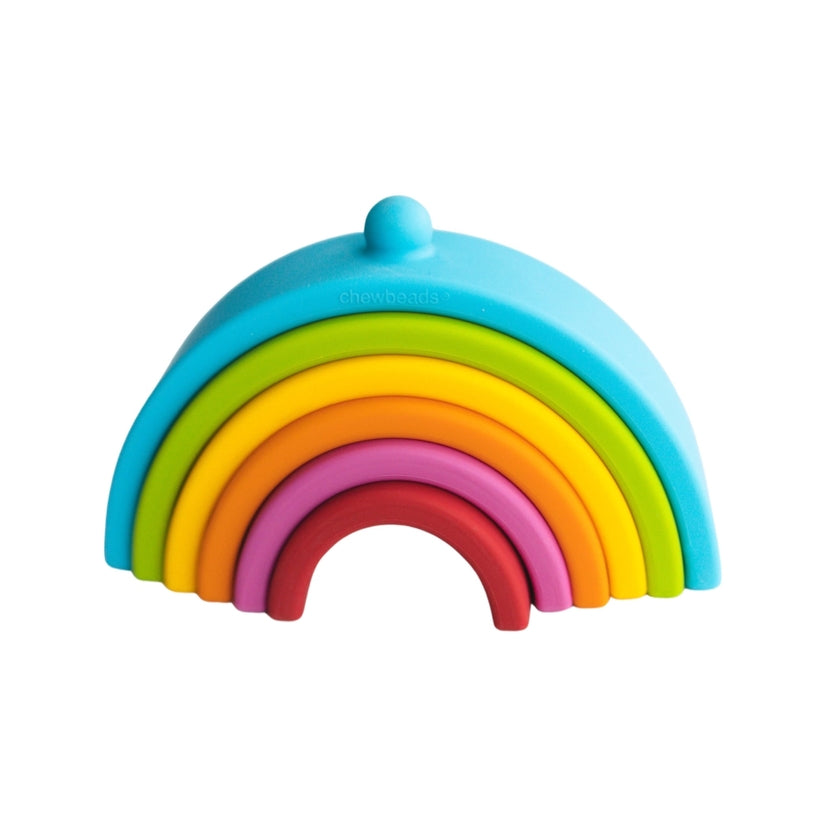
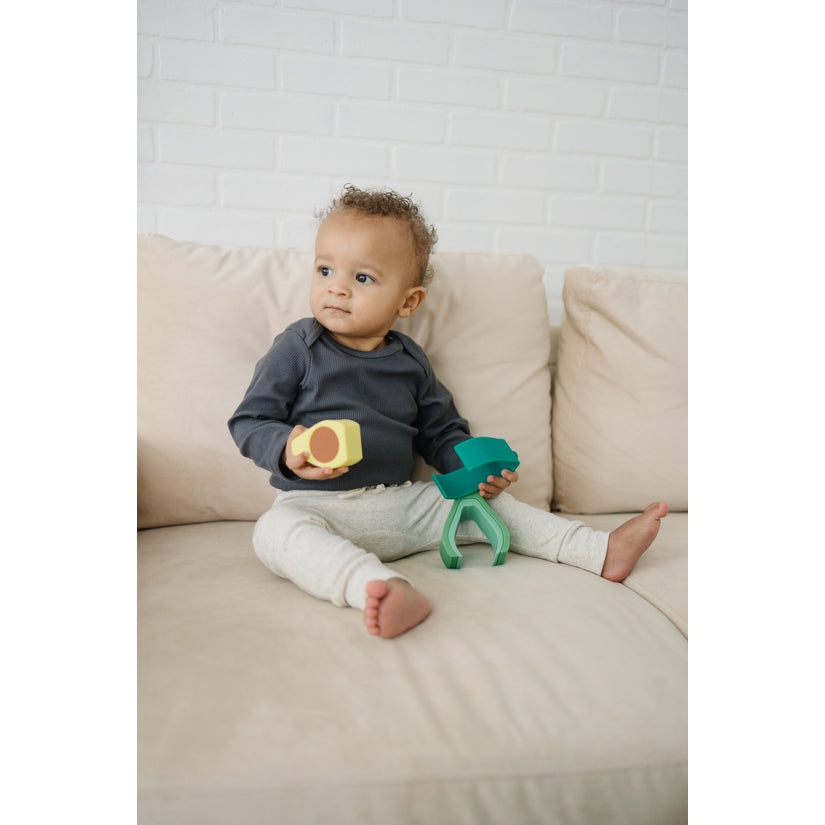
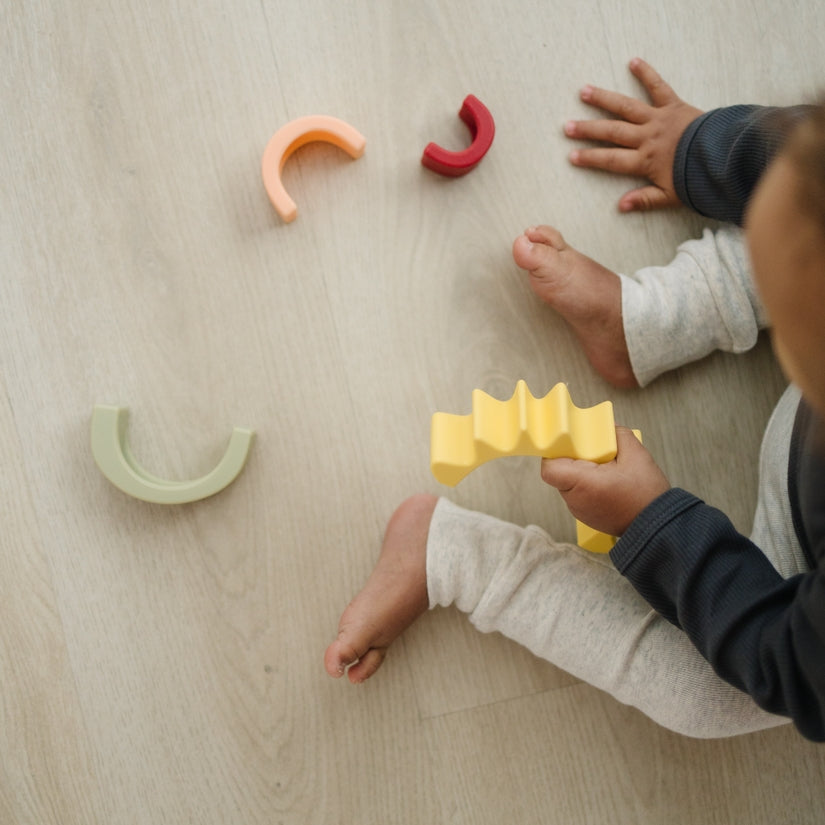

Silicone Stacking Toys by Chewbeads
Sold Out
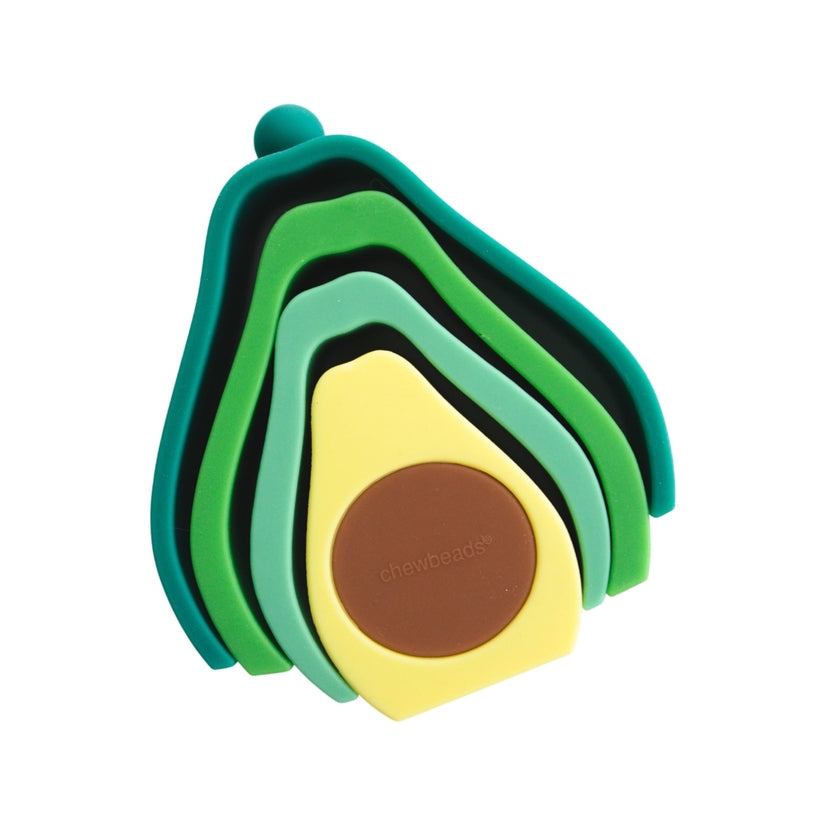
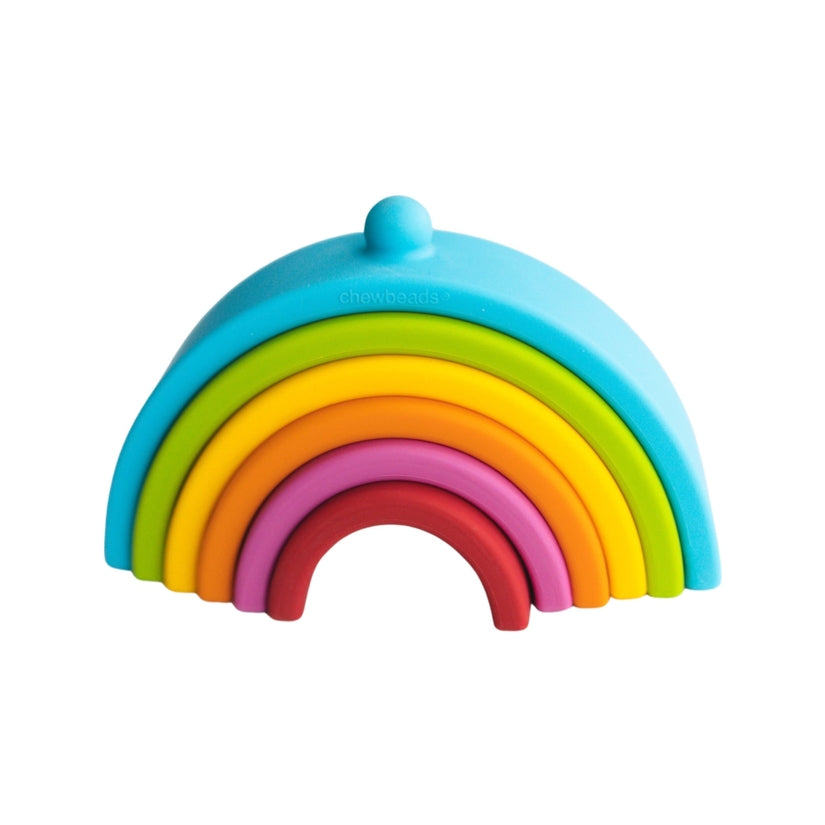
This adorable avocado stacker is the perfect addition to any playroom. Made with 100% silicone, this colorful and safe stacking toy provides a world of entertainment, plus introduces fine motor...

BALM! Baby Teething Rub
Sold Out
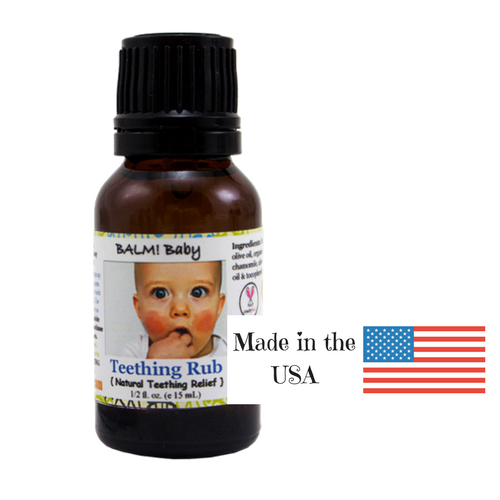
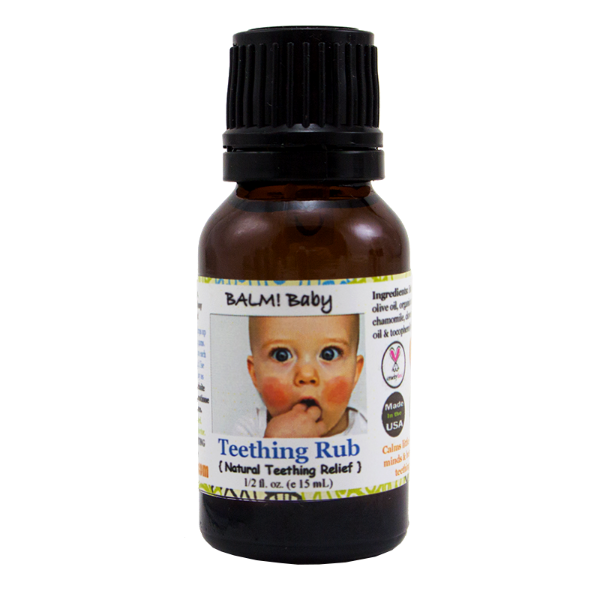
BALM teething rub is great for teeth actively moving through the gums and helps to alleviate swelling, pain, and inflammation caused from teething. Made of an infusion of Mother Earth's...
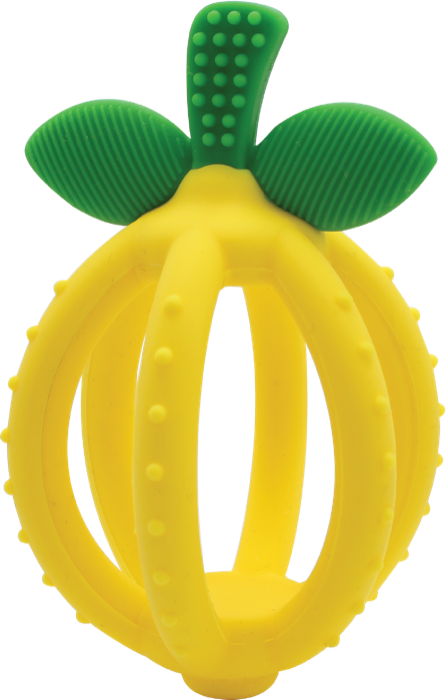
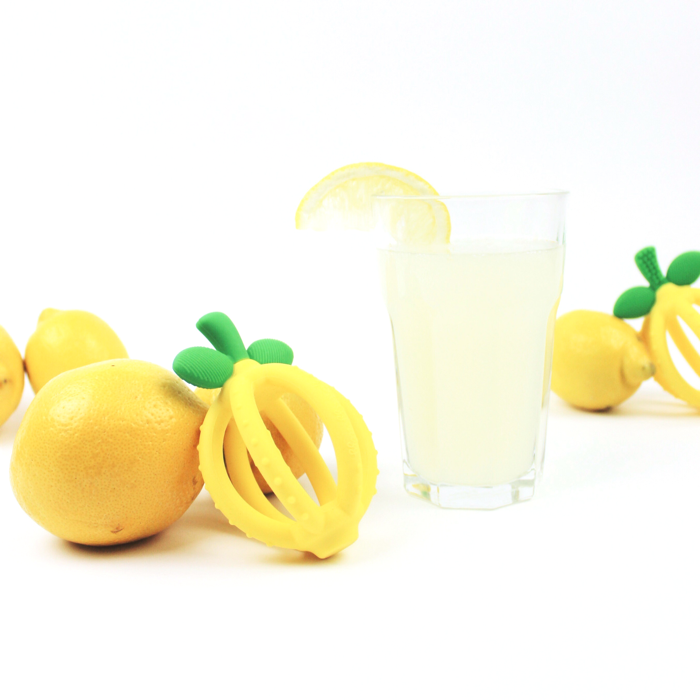
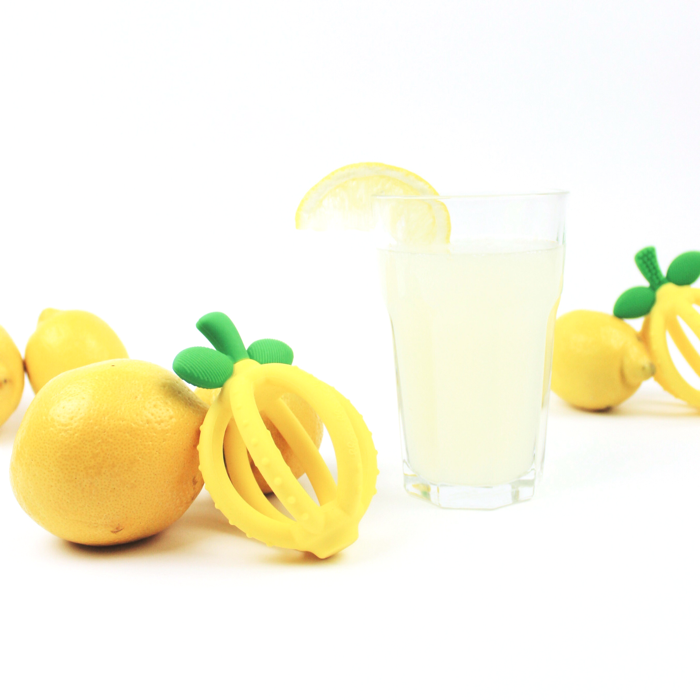
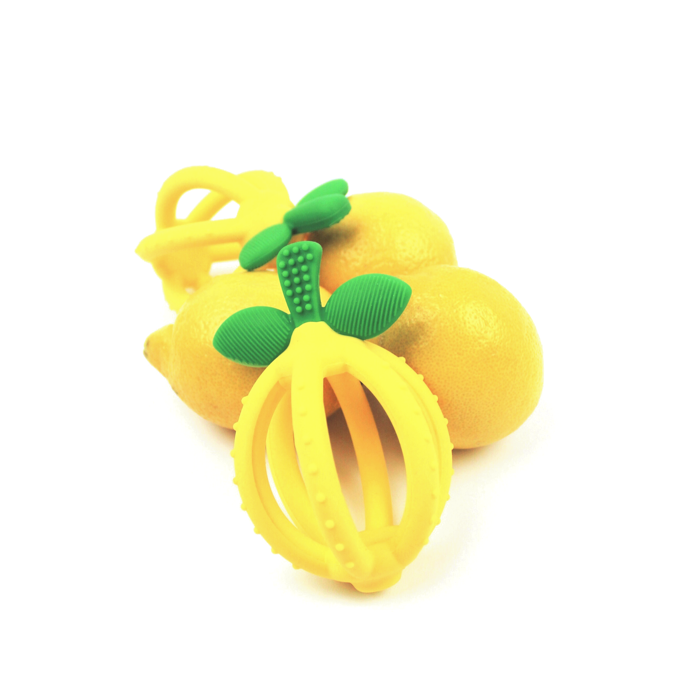
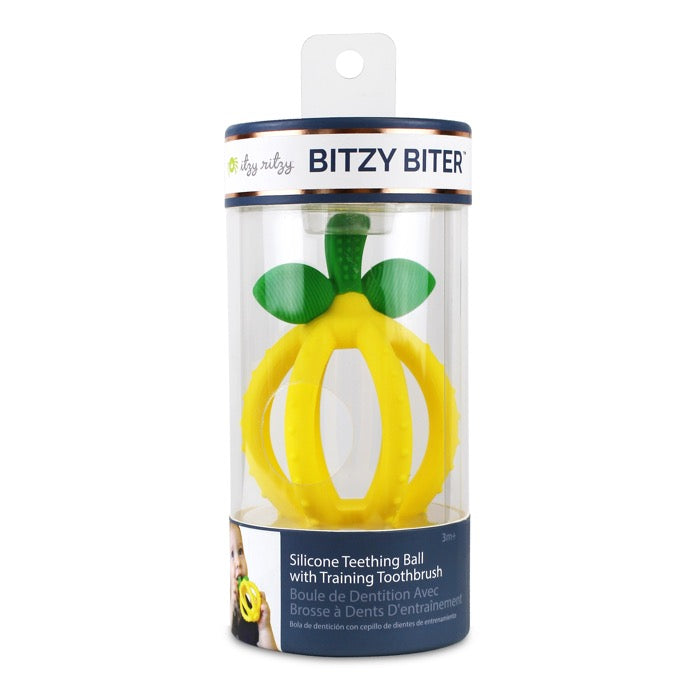
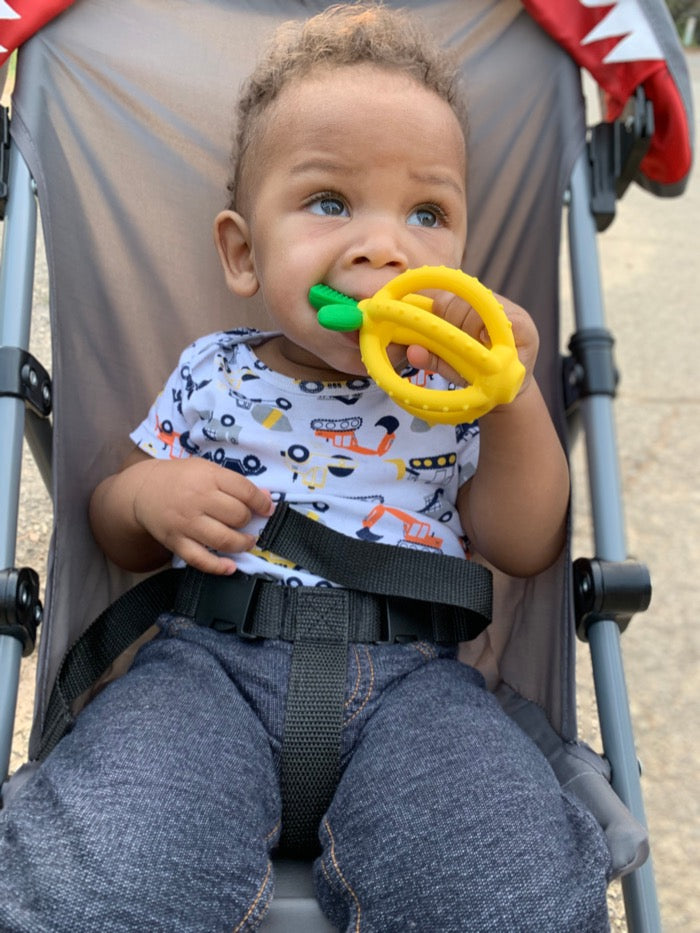
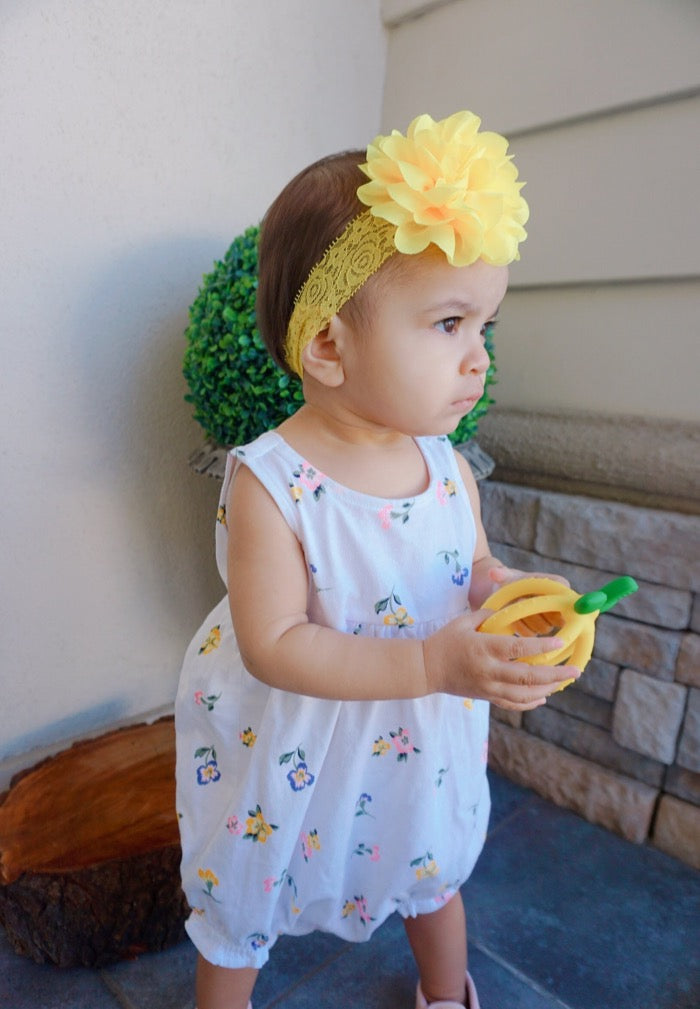
Lemon Teething Ball
$ 15.99
So easy to hold and so cute! Plus, it won't give baby the shock of sucking on citrus ;p Fans of fresh fruits and veggies will adore this cheerful citrus...
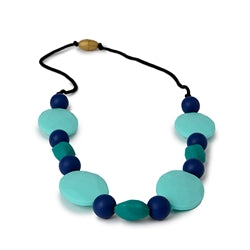
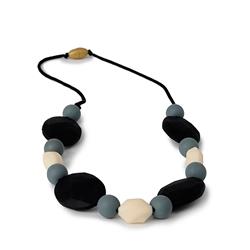
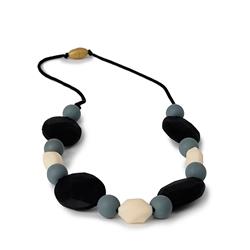
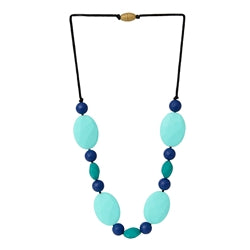

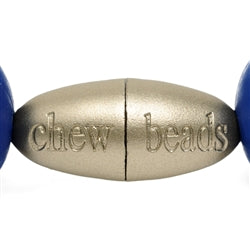

Chewbeads Tribeca Teething Necklace
Sold Out
A favorite necklace; we love Chewbeads! 100% silicone teething jewelry that mom wears and baby can play with and suck on. Also great for baby to focus on while nursing!...
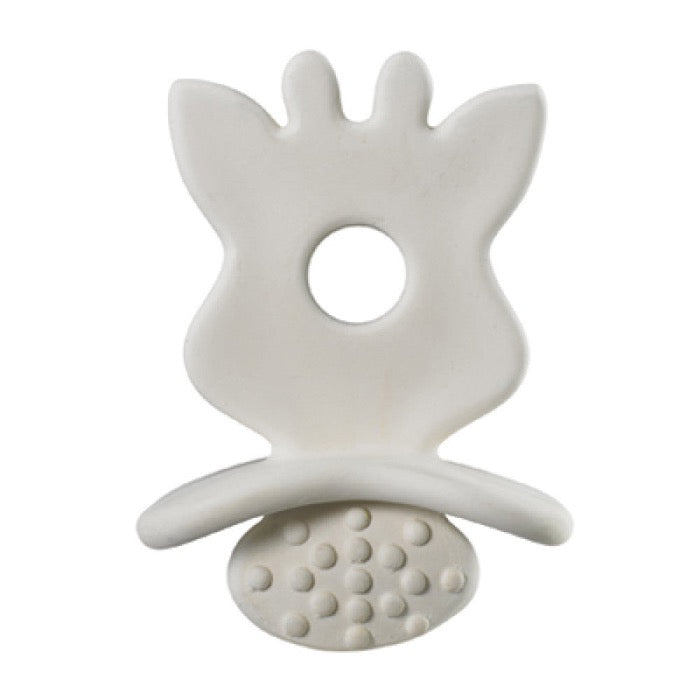
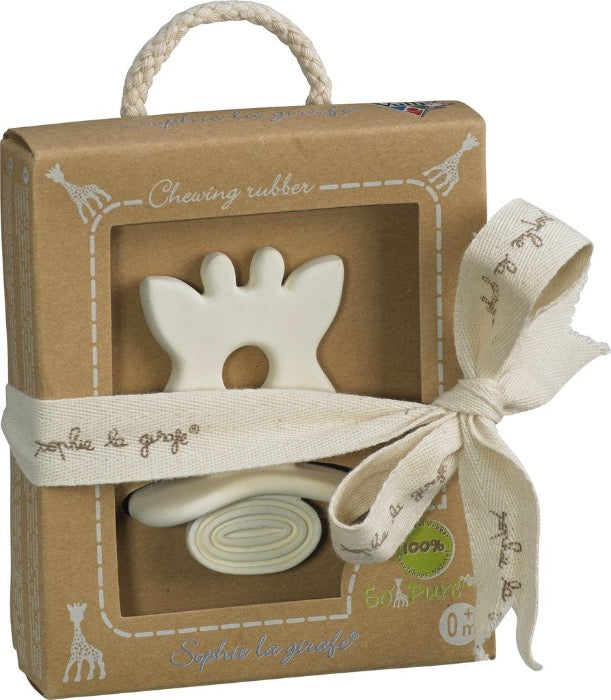
Sophie The Giraffe So'Pure Chewing Rubber
Sold Out
Made from 100% natural rubber! Why natural rubber? Natural rubber is a natural material that is healthy, natural, soft and supple. It is taken from the sap of the Hevea...


Cutie Coolers™ Water Filled Teethers, 3-pack
$ 7.99
Soothe those sore gums with Cutie Coolers™ Water Filled Teethers! This adorable 3-pack features textured surfaces on both sides to massage and comfort teething babies. Simply chill them in the...
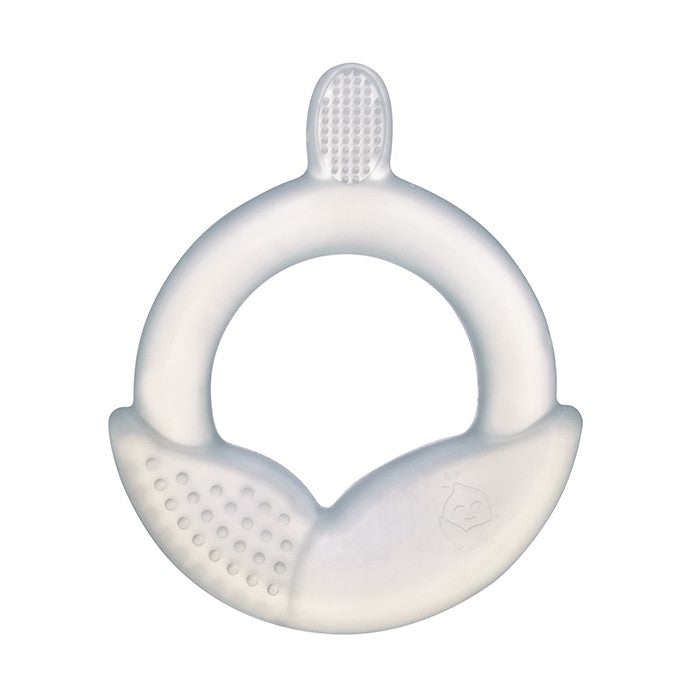
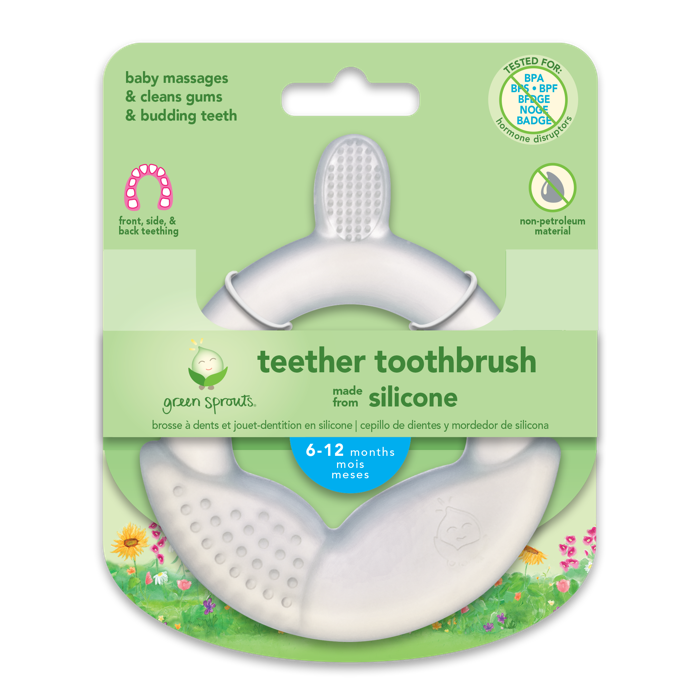
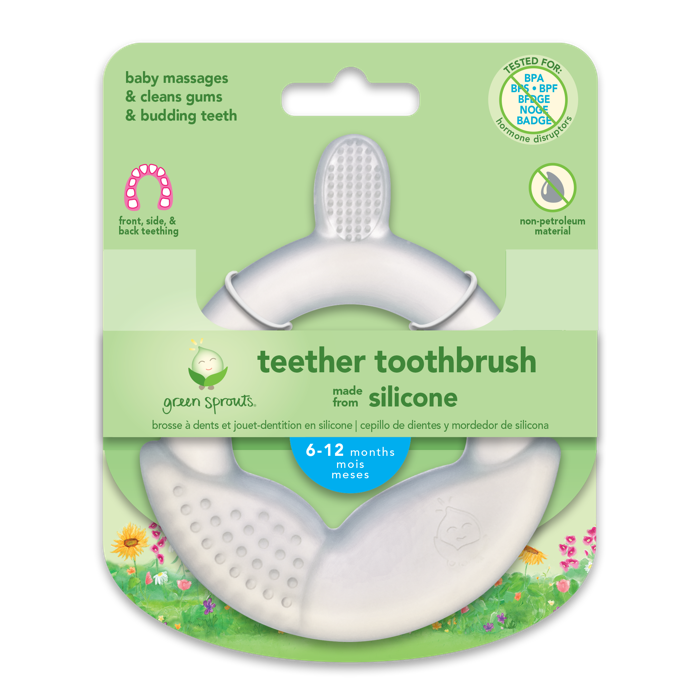

Silicone Teether Toothbrush by Green Sprouts
Sold Out
Easy to hold, doubles as both a teether and a toothbrush - how can you go wrong? Starting early with healthy oral hygiene practices comes easy with the fabulous teether....
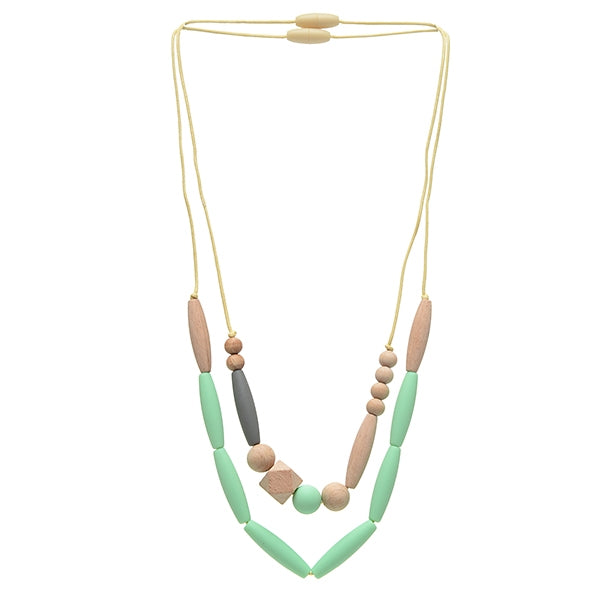
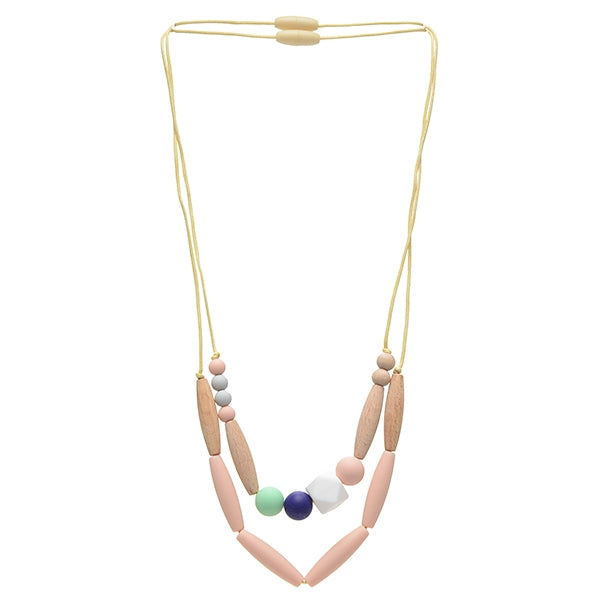
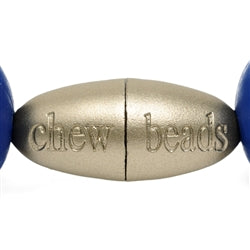

Chewbeads Brooklyn Collection Metropolitan Teething Necklace
Sold Out
A favorite necklace; we love Chewbeads! 100% silicone teething jewelry that mom wears and baby can play with and suck on. Also great for baby to focus on while nursing!...
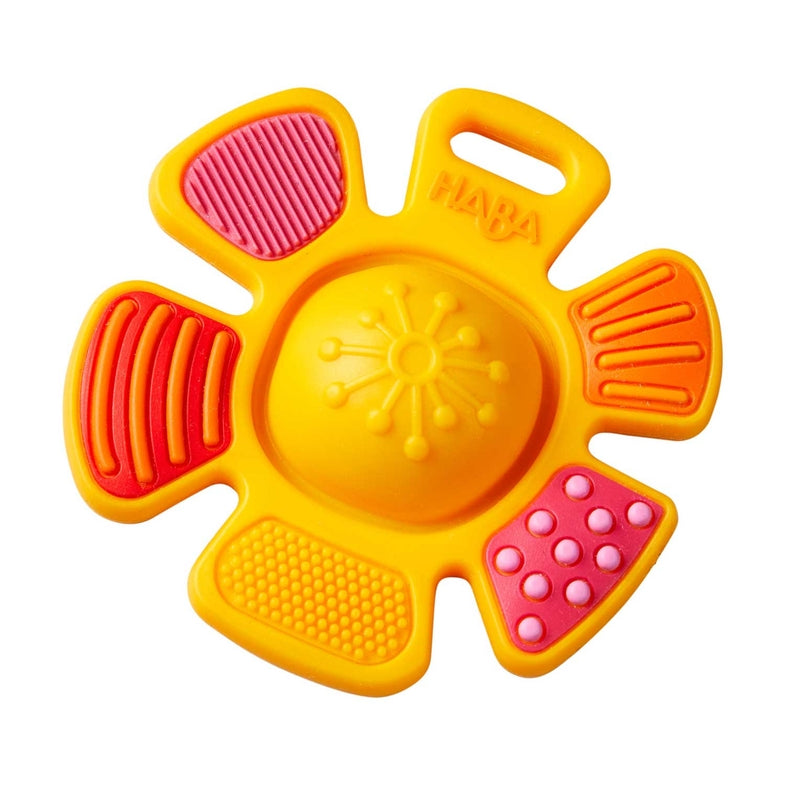
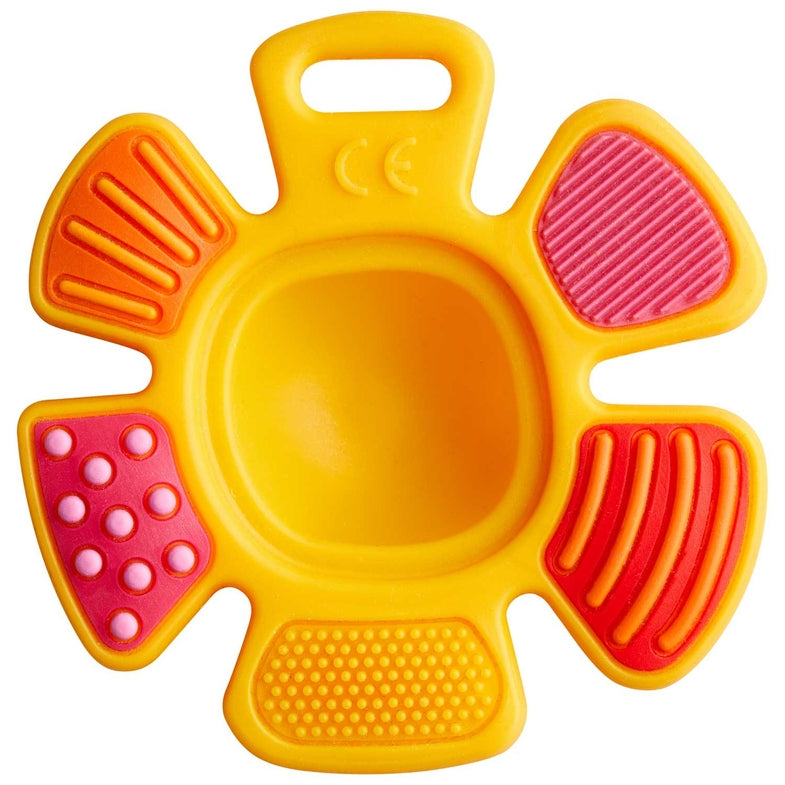
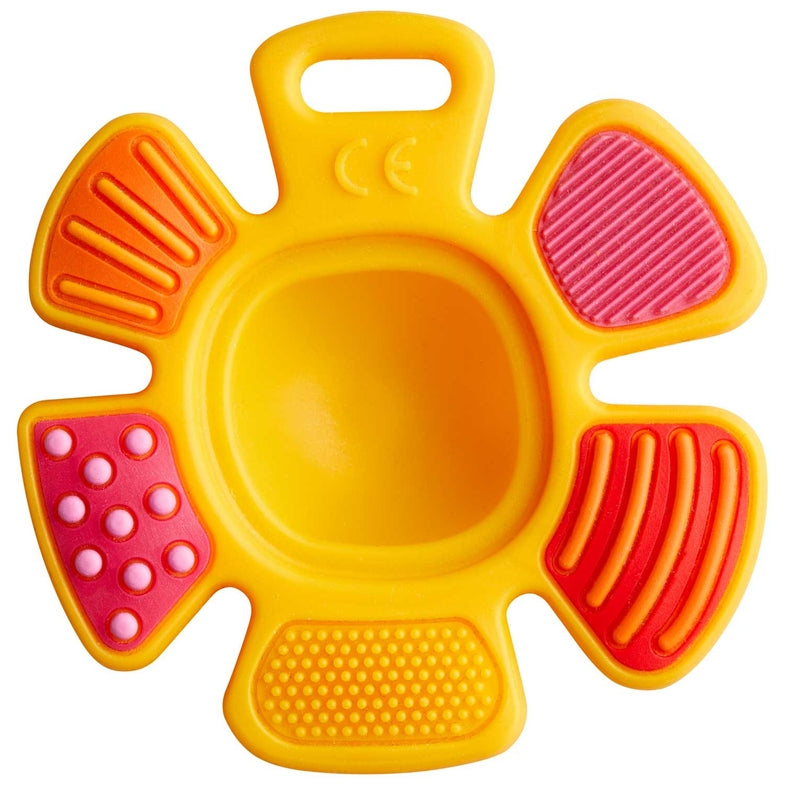
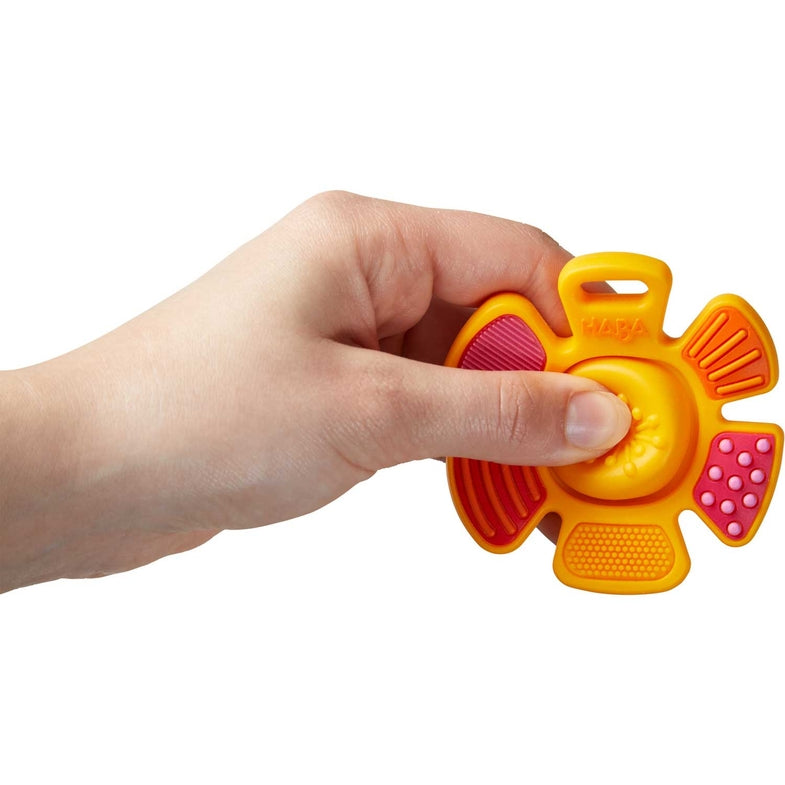
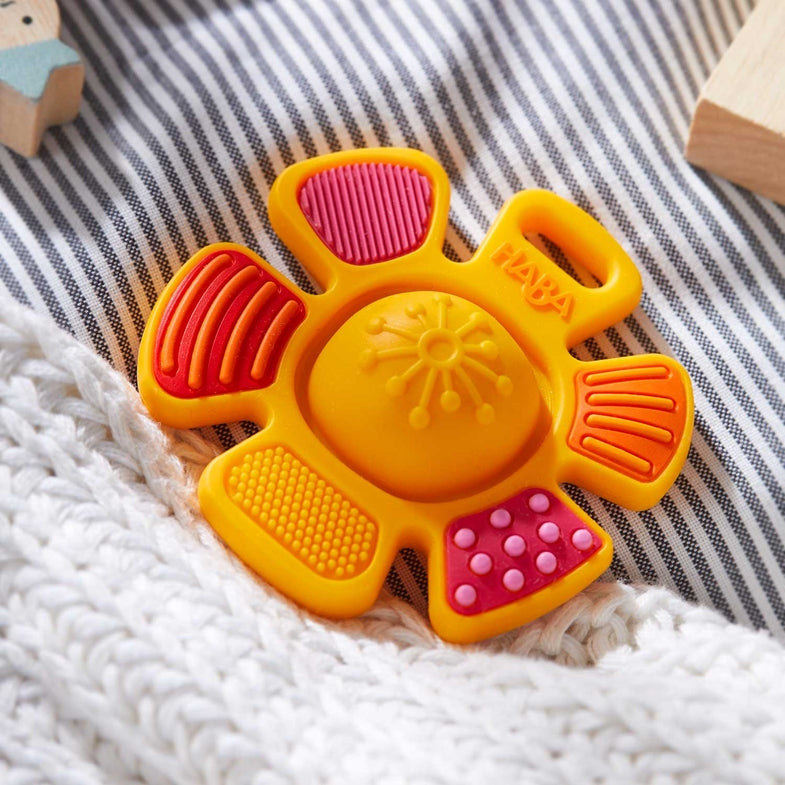
HABA Popping Flower Clutching Toy
$ 9.99
Our customers love the quality and design of Haba toys and you will too! This HABA Popping Star Clutching Toy is the perfect developmental toy for little ones. Its appealing...
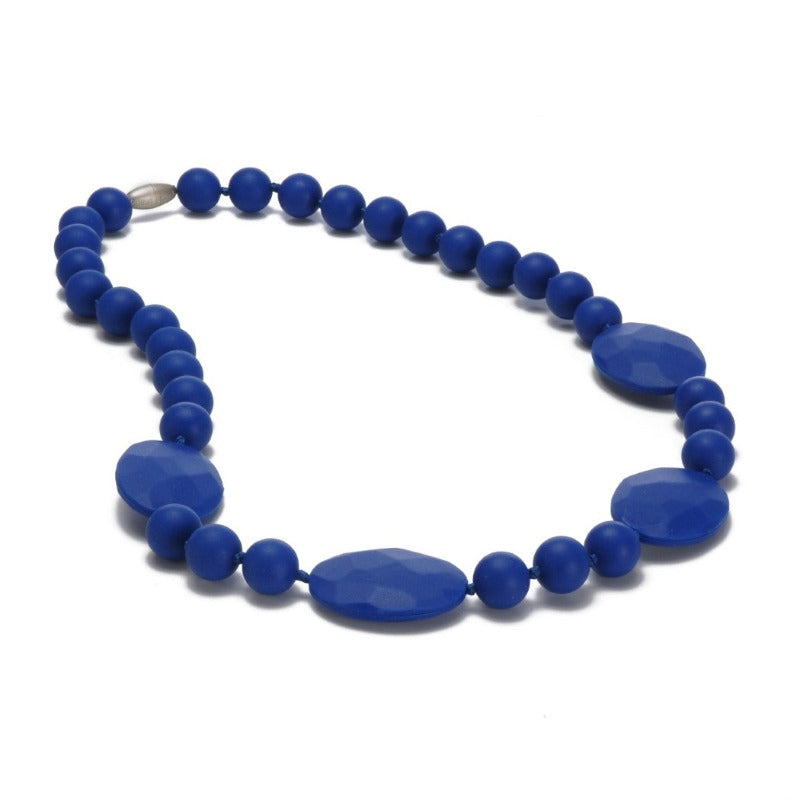



Chewbeads Perry Teething Necklace
Sold Out
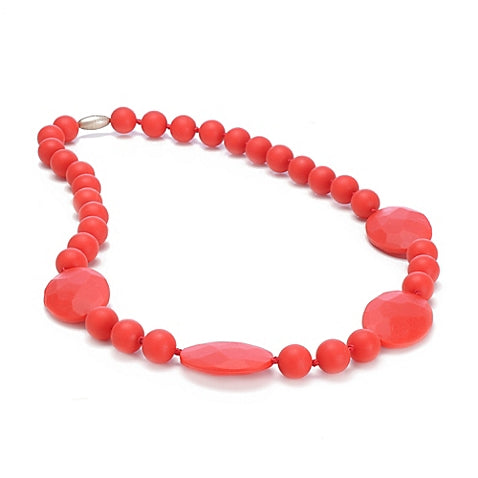
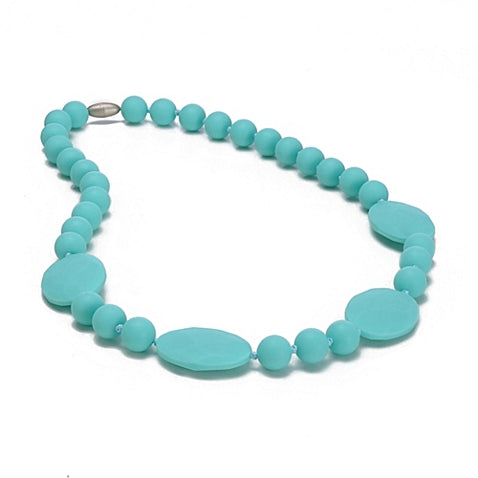
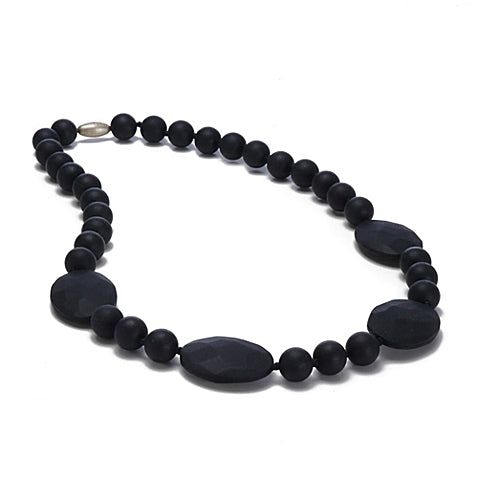
A favorite necklace; we love Chewbeads! 100% silicone teething jewelry that mom wears and baby can play with and suck on. Also great for baby to focus on while nursing!...
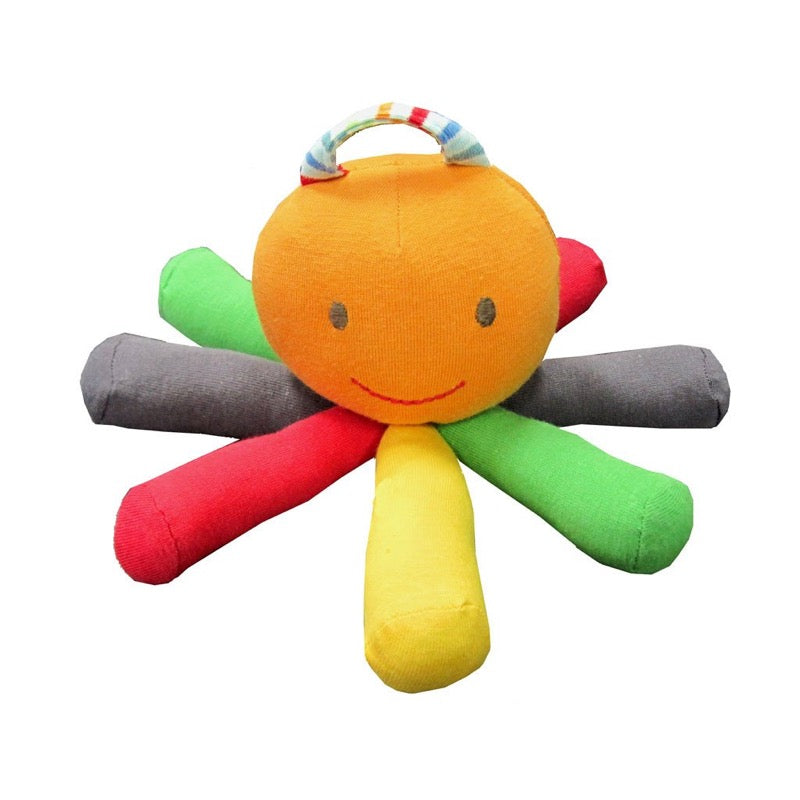

Under The Nile Organic Scraptopus
Sold Out
Under the Nile's Scraptopus is made with all the soft leftover scraps from their toy and clothing collection. Easy to hold and safe to chew on. Made and stuffed with...

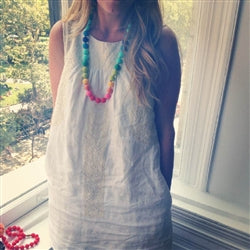
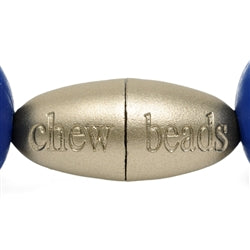

Chewbeads Christopher Teething Necklace
Sold Out
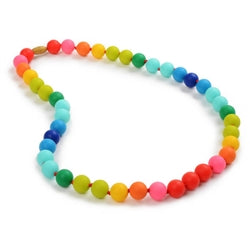
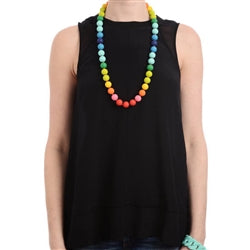
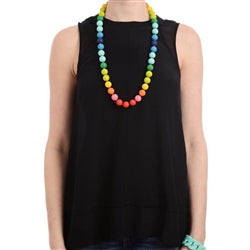
The Christopher Necklace is sure to brighten up your day with a gorgeous rainbow selection of silicone beads! Chewbeads are 100% silicone teething jewelry that mom wears and baby can play...
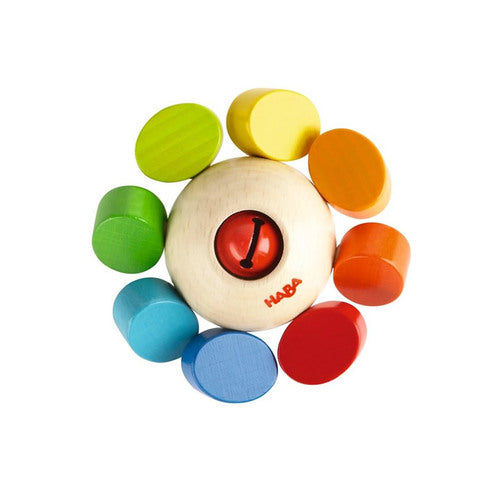
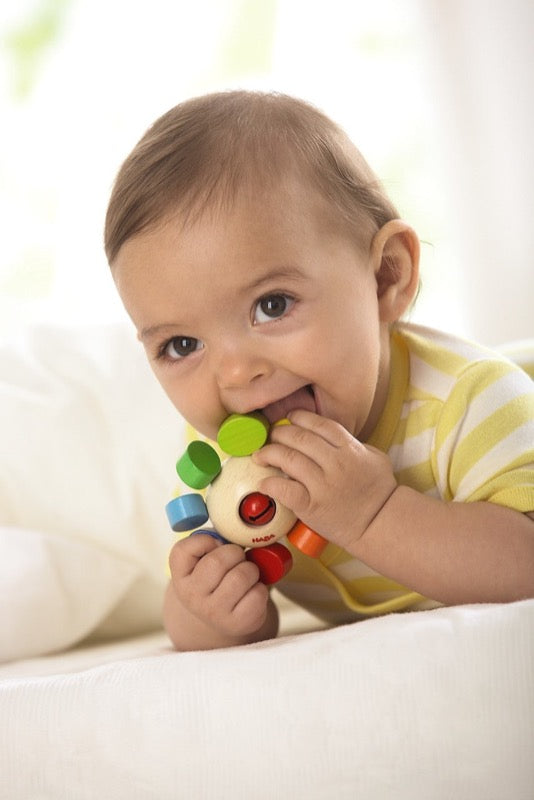
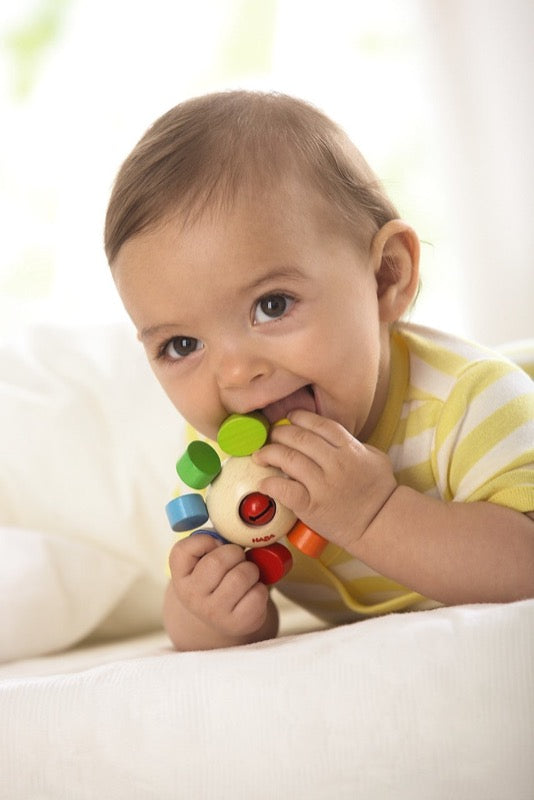
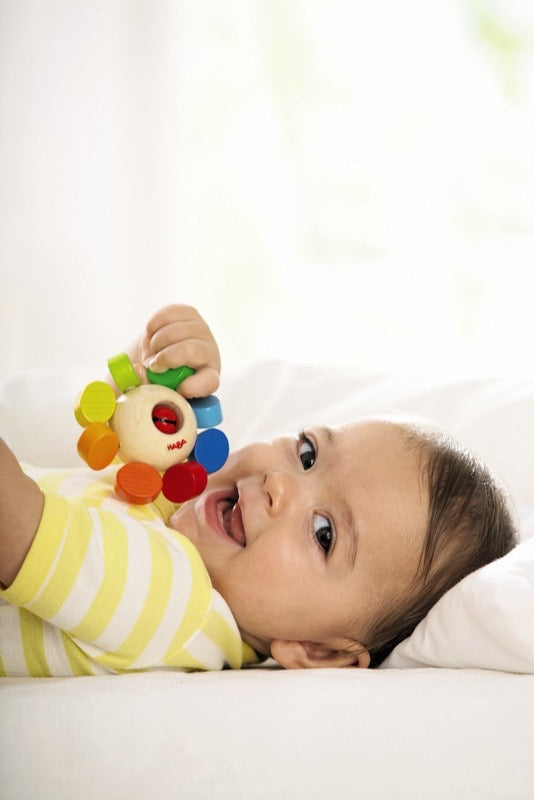

Whirlygig Clutching Toy
Sold Out
A rainbow of colors to entice your little one! The fun, colored pieces on the outer ring can be manipulated and the bell inside makes a dainty jingle when shaken. What...
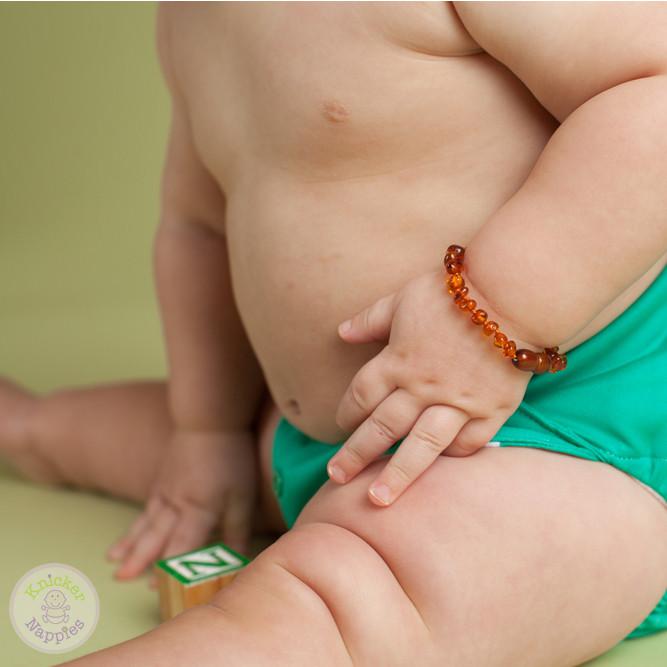
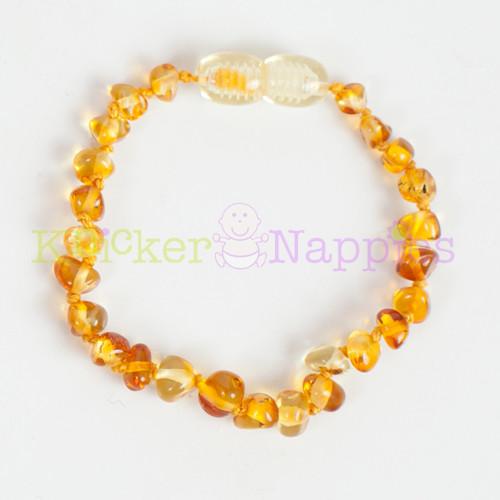
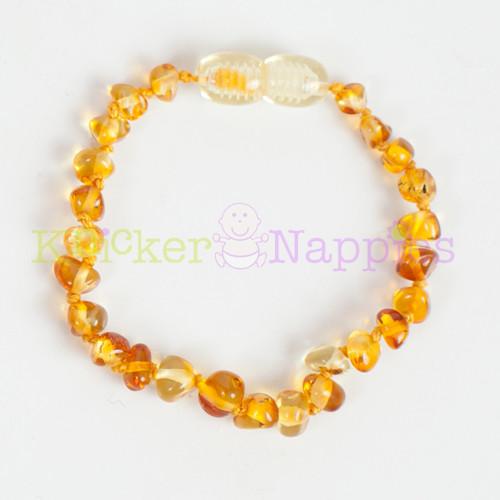
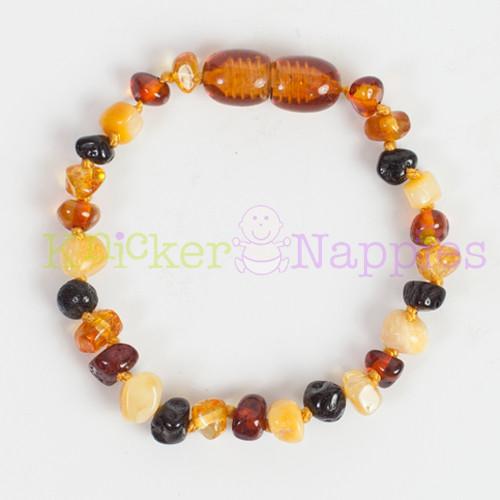
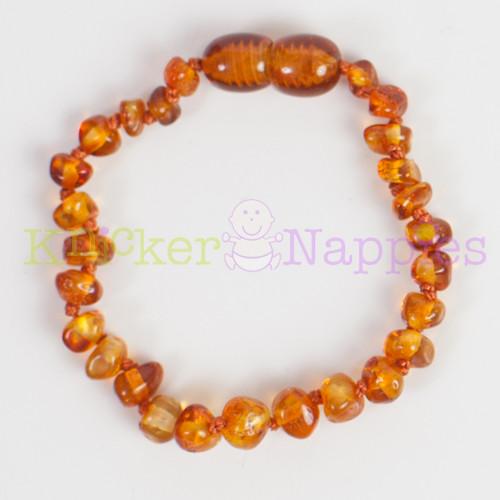
Baltic Amber Teething Bracelets
Sold Out
Baltic Amber baby teething natural pain relief bracelets are suitable for babies and toddlers. Amber is associated with sunlight and warmth and reputed to boost the immune system, reduce inflammation,...


Teensy Tubes™
$ 9.99
Soothe those sore gums with Itzy Ritzy's Teensy Tubes™—the teething solution that grows with your little one! These clever hollow tubes feature textured surfaces that collapse and flex to reach...
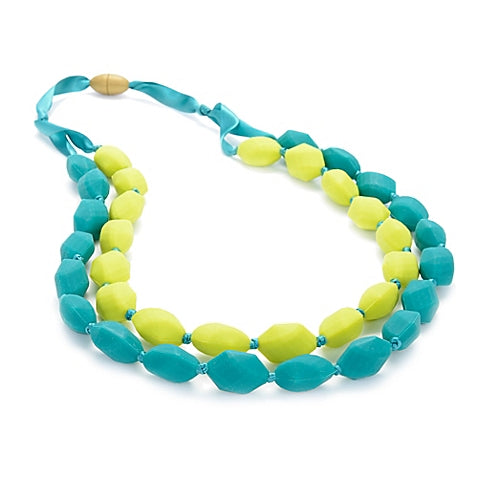
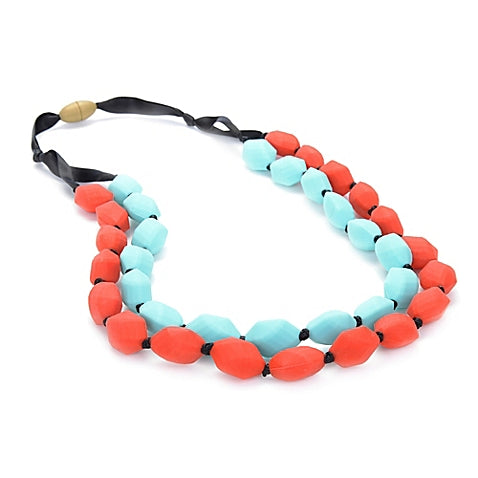
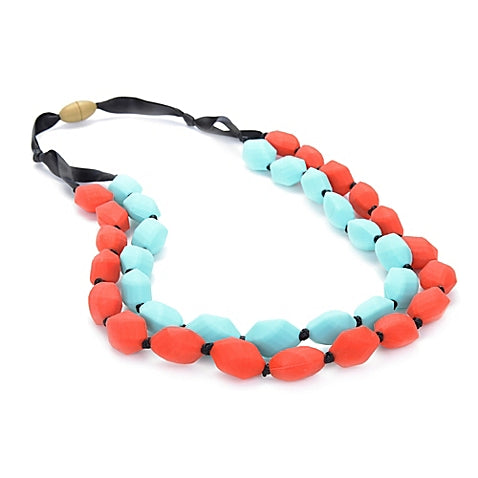
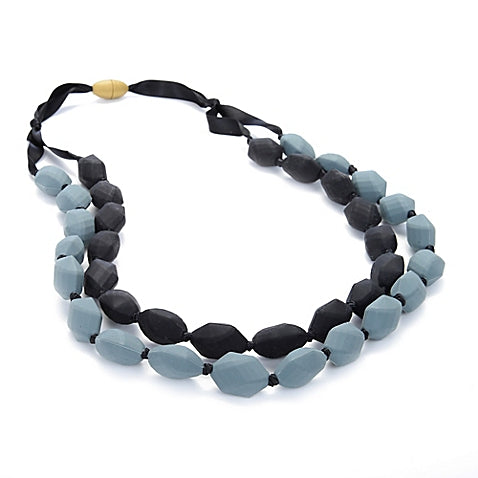
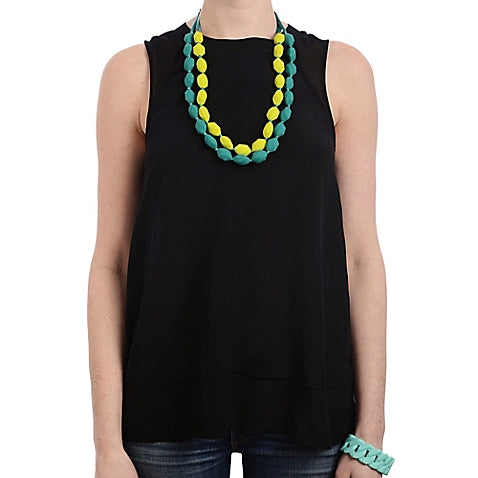


Chewbeads Astor Teething Necklace
Sold Out
The Astor Necklace has two strands, each a different color. We love this double stranded style! Chewbeads are 100% silicone teething jewelry that mom wears and baby can play with...
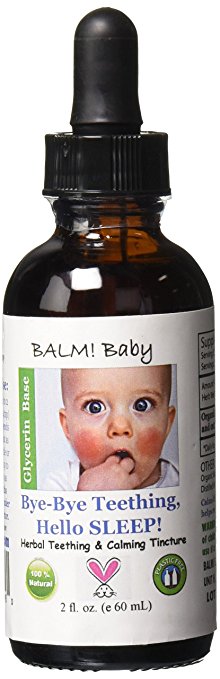
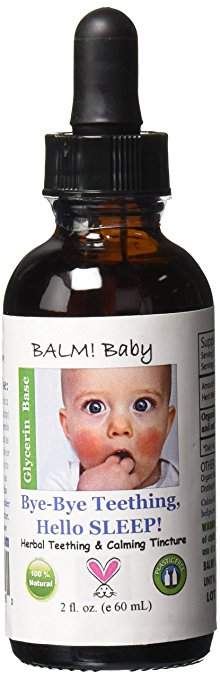
BALM Baby Bye Bye Teething Hello SLEEP! by Balm Baby, 2 oz.
Sold Out
BALM teething tincture is great for teeth actively moving through the gums and helps to alleviate swelling, pain, and inflammation caused from teething, as well as to calm and relax your...
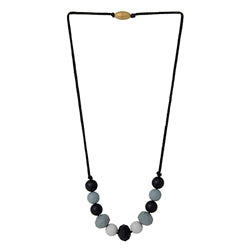
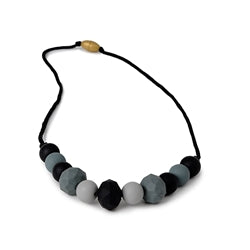
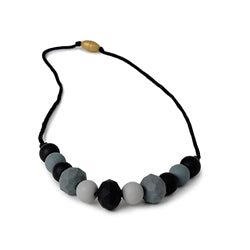
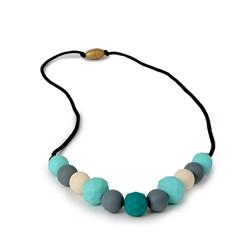

Chewbeads Chelsea Teething Necklace
Sold Out
A favorite necklace; we love Chewbeads! The Chelsea Necklace is great for those with long hair (it won't get caught in or tugged on by the silicone beads). 100% silicone...


Baby Soft Bunny Ball Rattle By Haba
$ 7.99
The perfect cuddly companion for little hoppers to grasp and explore, this bunny fabric ball has a variety of different soft textures and sounds making it an ideal playmate for...
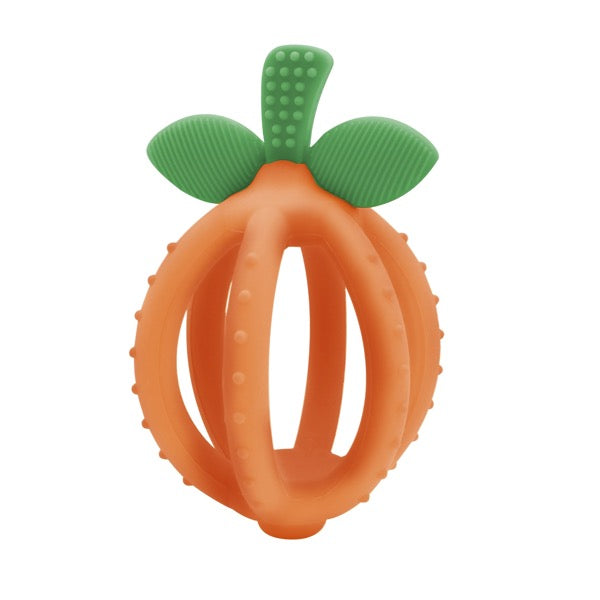
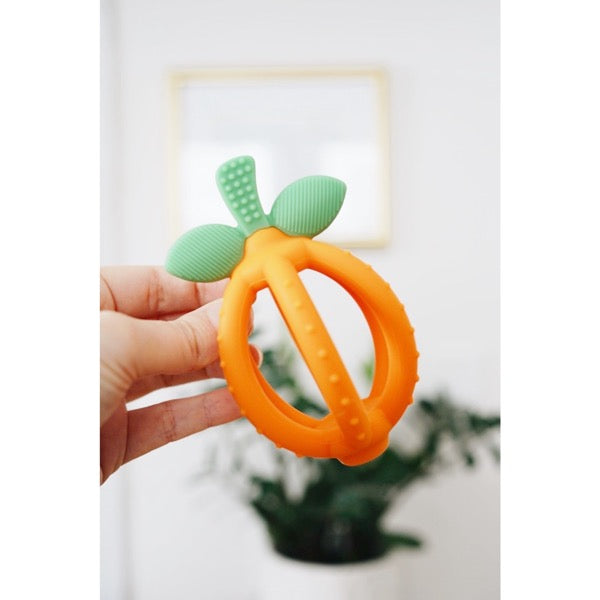
Clementine Teething Ball
Sold Out
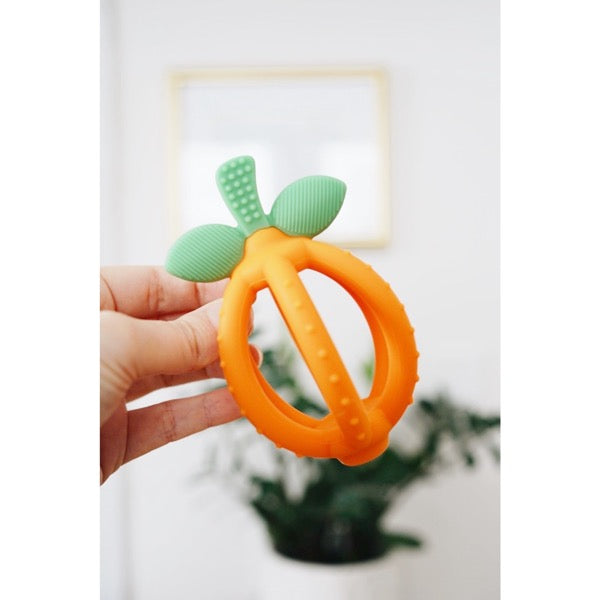
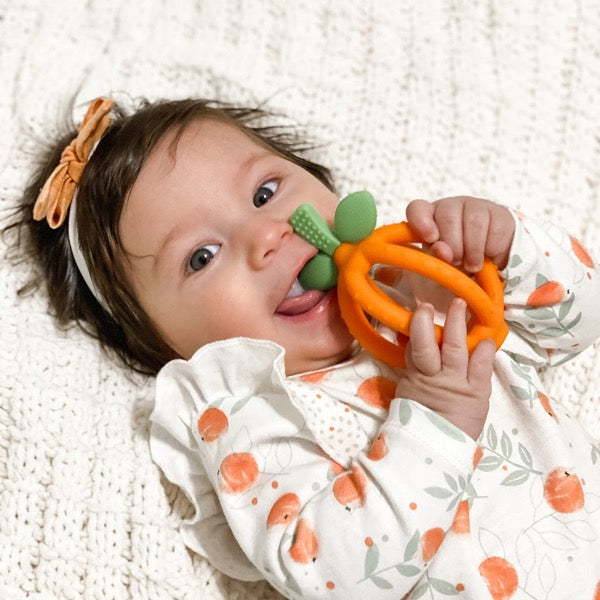
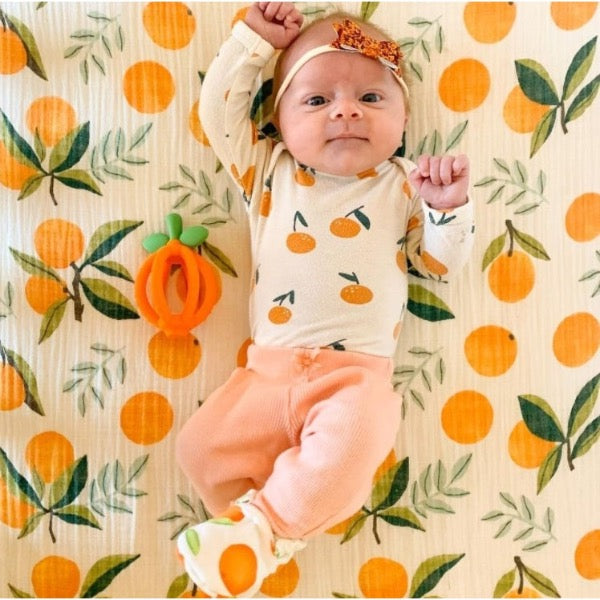
So easy to hold and so cute! Plus, it won't give baby the shock of sucking on citrus ;p Fans of fresh fruits and veggies will adore this cheerful citrus...
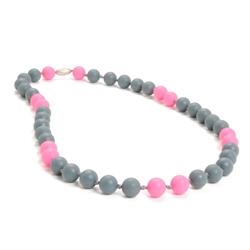
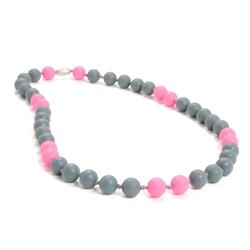

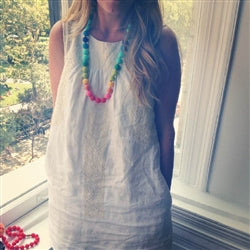
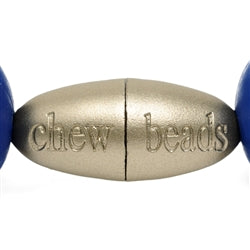

Chewbeads Waverly Teething Necklace
Sold Out
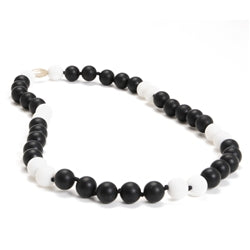
The Waverly Necklace goes with everything black! Chewbeads are 100% silicone teething jewelry that mom wears and baby can play with and suck on. Also great for baby to focus...
© 2026 Jillian's Drawers.


